

Keeping products safe, processes clean, and employees happy with Mioni
Quick summary:
| Challenges | Solutions | Benefits |
| Inconsistent hygiene from employees washing uniforms at home | Certified workwear service with professional washing | Reliable hygiene and reduced contamination risk |
| Difficulty maintaining food safety standards and audit readiness | Validated washing process (EN 14065) and regular hygiene tests | Easier compliance and smoother audits |
| Extra workload for internal teams managing workwear | Full-service delivery, maintenance and replacements | Less admin burden, more time for core production tasks |
| Not enough clean uniforms for each shift | Personalised sets and scheduled deliveries | No shift delays, better employee experience |
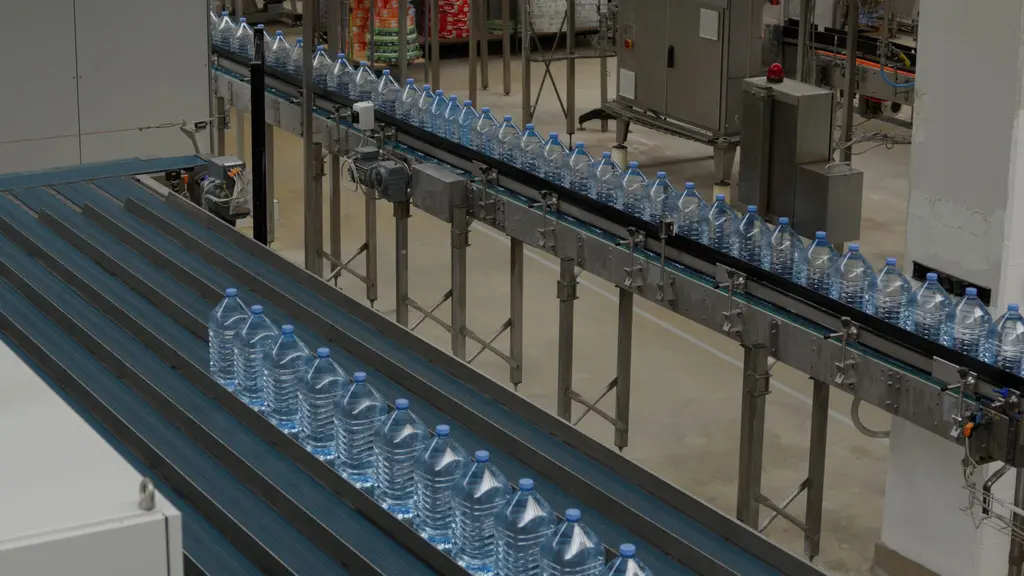
Mioni d.o.o., from Serbia, bottles and produces still and sparkling water as well as refreshing soft drinks, and operates according to high food safety standards, including the IFS Food v8 certification. This certification sets strict requirements for the hygiene of workwear – including how garments are washed, maintained, and stored – to ensure maximum product safety.
To meet these high standards, Mioni relies on Lindström’s certified workwear service.
Lindström helps us meet the IFS standards by providing certified workwear laundry services, reducing the risk of contamination and ensuring hygiene with regular swab tests.
Biljana Nenadović, Quality and OHS Specialist, Mioni
Why standardised workwear hygiene is crucial in the food industry
In food production, a work uniform is more than a dress code. It’s part of the safety process, and Mioni complies with IFS Food v8, which defines clear hygiene requirements for textiles. Any inconsistency in washing increases the risk of contamination and adds pressure on internal teams.
That’s why professional workwear services are a strategic decision, not just a technical one. Lindström takes responsibility for hygiene with validated processes and traceability, reducing operational stress and risk. The result is a more stable system that supports both internal and external audits.
From personal laundry to a certified process
Before partnering with Lindström, employees were responsible for washing their own uniforms. This led to inconsistent hygiene levels and a lot of improvised solutions.
Based on Lindström’s experience across industries, we know that home washing isn’t a reliable solution, especially when hygiene plays a critical role. Studies have also shown that this practice carries serious hygiene risks.
With Lindström’s workwear service, Mioni now benefits from a standardised process: certified detergents, validated temperatures, batch tracking, and regular hygiene swabs.
The quality control team now has verifiable data for auditors and clients. Management can focus on product quality and safety, not monitoring laundry. The service also brought predictable deliveries, clear rules for replacements and repairs, and cleaner routines.
Proven hygiene and audit-readiness (EN 14065, IFS requirements)
Lindström laundries follow EN 14065 biocontamination control and processes aligned with IFS audits. That means double security: the right wash technology and a documented system that’s easy to verify.
Regular microbiological swabs, plus independent testing of chemicals and water, ensure the transparency that audits require.
For Mioni, this means fewer open issues and faster, smoother inspections. A standardised process removes uncertainty and turns textile hygiene into something measurable and manageable.
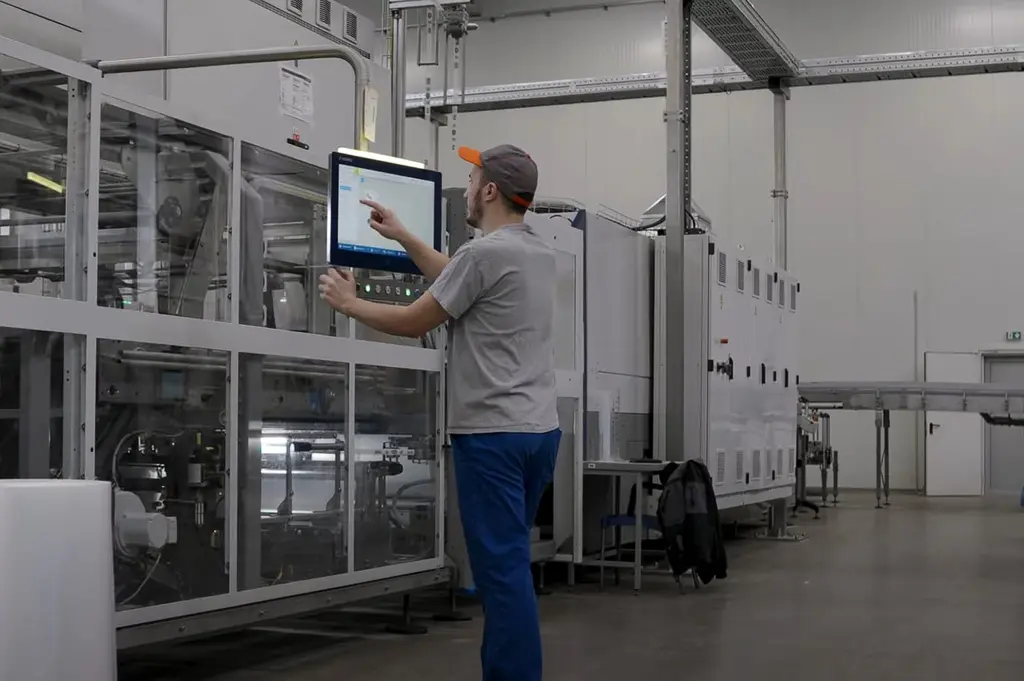
Operational efficiency: enough sets per employee and better logistics
Thanks to Lindström’s service, each employee has enough personalised sets. There’s no need to worry about purchasing or replacing worn-out uniforms.
That allows Mioni to focus on product quality and safety, while Lindström handles the workwear standards.
Every employee at Mioni has a personalised number of workwear sets, so shifts run without disruption. Lindström handles the delivery, maintenance, and timely replacement of garments. Personalisation reduces mix-ups and improvisation. HR, procurement, and operations are no longer burdened with emergency purchases or organising laundry.
Biljana Nenadović, Quality and OHS Specialist, Mioni
As a practical note, Mioni also uses Lindström mats as the first barrier against dirt entering production and technical areas, completing their hygiene strategy. Clean uniforms combined with well-maintained mats reduce risk and raise the daily hygiene standard.
Sustainability and business results: lower footprint, better control
The workwear service is based on circular economy principles: durable design, repairs that extend garment life, resource-saving washing, and textile recycling at the end of life.
This reduces environmental impact and long-term costs, while also improving supply chain reputation.
For Mioni, this means safety and control, plus practical support for the team: clean sets ready, clear usage data, and everyday compliance with hygiene standards. When hygiene is provable, decisions are easier and audits are smoother.
Conclusion
To ensure safe and high-quality food production, risks need to be identified and eliminated, and a big part of those risks comes from workwear hygiene.
By introducing Lindström’s workwear service, Mioni gained many operational improvements, more time to focus on what matters, and an easier path to compliance. Employee satisfaction and a reduced environmental footprint also help strengthen the company’s image and its positive impact.


Related

Learn how we design workwear for longevity and circularity—from selecting the right materials to giving garments a second life.

Linde Viličar use unified workwear for 30+ service technicians with Lindström. Never worry about workwear again. Read more.

How does an iconic Indian sweets brand stay globally compliant and spotlessly clean? Read how Chitale Bandhu keeps hygiene in check with Lindström.
