
Choosing protective workwear for metal fabrication and manufacturing
What to include in your supplier brief so you can compare garment specifications, laundry, replacements and costs across shifts.

A request for workwear for 40 people tells a supplier how many employees you need to kit out. It says little about what they do. Some may spend the shift welding, others operate machinery, and the maintenance team may move between several areas. Those details shape which garments a supplier recommends, how many sets each person needs and what the weekly quote covers.
For a fabrication manager or procurement lead, the starting point is a brief that tells suppliers what they’re pricing. Most of the information sits with three people: the workshop supervisor who knows the jobs, the health and safety lead who approves the protection, and the person who sorts out missing or damaged workwear on a Monday morning.
Give suppliers a picture of the work on your site
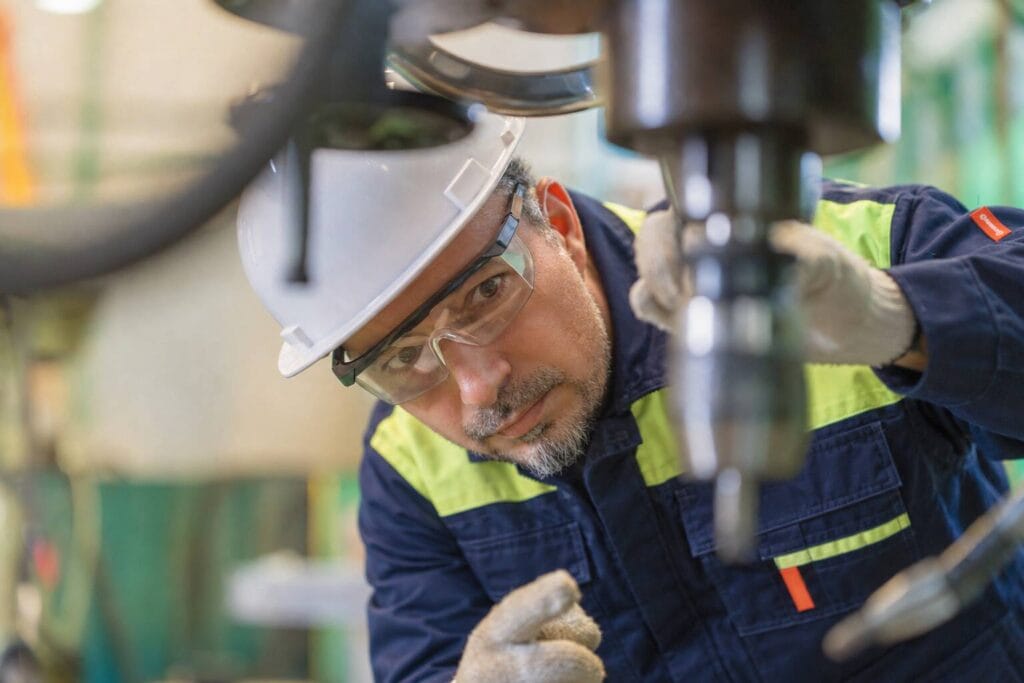
Job titles only tell part of the story. A production welder might spend most of a shift at a fabrication bench. A maintenance engineer might weld occasionally as part of a repair. Give the supplier a short description of each group’s work, including the welding processes used, typical working positions, time spent welding and any associated tasks such as grinding or cutting. Your health and safety lead can identify which details affect the clothing specification.
The NOV Fluid Motion Solutions customer story gives a UK example. At NOV, the workwear service includes WelderPro for high-risk zones, WorkerPro for the factory floor and TwinPro for field service engineers. A departmental breakdown gives suppliers a much clearer basis for a quote than putting everyone under “engineering”.
Put the approved specification beside each role
Ask your health and safety lead to record the protection identified by the site’s risk assessment for each group. Procurement can then ask every supplier to name the exact jacket, trousers or overalls they propose and provide the documentation for those garments. A description such as “flame-retardant overalls” leaves an important question open: what evidence shows that this particular garment meets the requirements for the welding work on your site? Lindström’s guide to protective clothing standards is a useful reference when preparing that part of the brief.
Include the other PPE worn for the task. The HSE’s guidance on selecting and using PPE explains why items worn together must be compatible and why the people using them should be involved in the choice. A practical question for the workshop supervisor is whether the proposed jacket and gloves work together when the wearer reaches into their usual working position.
Price the shift pattern as well as the headcount
Tell each supplier how many people work on each shift, how many clean changes they need and when clean garments must be available. Say whether the figures include agency workers, weekend shifts or planned recruitment. For example, “24 welders on days and 16 on nights, each needing five clean changes a week” gives both suppliers the same starting point.
Ask them to show how many garments they’ve allowed per wearer, how many will be away for laundering and what spare stock they’ve assumed. If the quote includes workwear lockers, specify where the night shift collects its clean kit and where worn garments are returned. That detail matters on a site where deliveries arrive during office hours but production runs around the clock.
Give every supplier the same replacement scenario
Put one situation in the brief: a welder reports a damaged fastening at 9.30 pm, with the next delivery due in two days. Ask each supplier to explain who the supervisor contacts, where a suitable replacement comes from, how quickly it can be issued and what the site would be charged. You’ll learn more from that answer than from a tick beside “replacements available”.
The same applies to traceability. If the supplier offers RFID garment tracking, ask them to demonstrate what your supervisor can see. With Lindström, buyers can ask for a walkthrough of eLindström using a garment enquiry as the example. For the maintenance part of the brief, the HSE’s guidance on looking after PPE covers responsibility for maintenance, reporting defects and keeping replacements available.
|
Include in your request |
Ask each supplier to confirm |
|---|---|
|
Workforce and tasks — departments, roles, welding activities and shift patterns |
Which garment is proposed for each group and any assumptions behind that choice |
|
Approved protection — requirements from your site’s risk assessment and other PPE worn |
The exact garment reference and supporting documentation for review by your H&S lead |
|
Garment quantities — wearers per shift, clean changes required and expected changes in headcount |
Sets per wearer, spare stock and how new starters, leavers and size exchanges affect the price |
|
Laundry and delivery — collection points, delivery days and out-of-hours access |
The turnaround, where clean garments will be available and who follows up a missed item |
|
Damage and repairs — your reporting process and a night-shift replacement scenario |
Who assesses the garment, when a replacement can be issued and which charges apply |
|
Price and terms — the same headcount, service frequency and contract period for every bidder |
Weekly cost, one-off charges, exclusions and what would trigger a change in price |
When the quotes come back, look for the assumptions behind the largest price difference. It might be the garment itself, an extra clean change for every welder or the spare stock needed to cover nights. Once you know what accounts for the difference, you can decide whether it’s something your workshop needs. If outright purchase is also on the table, use the same figures when comparing buying and renting workwear.
Planning a tender or reviewing an existing contract? Speak to Lindström UK about workwear rental for fabrication and metalworking teams. Bring your wearer numbers, shift pattern and current garment specification, along with one example of where your existing service causes delays.