
How is flame-retardant workwear washed, checked and repaired?
From a torn cuff to a replacement jacket, here’s what to ask your workwear rental supplier about garment care after each shift.
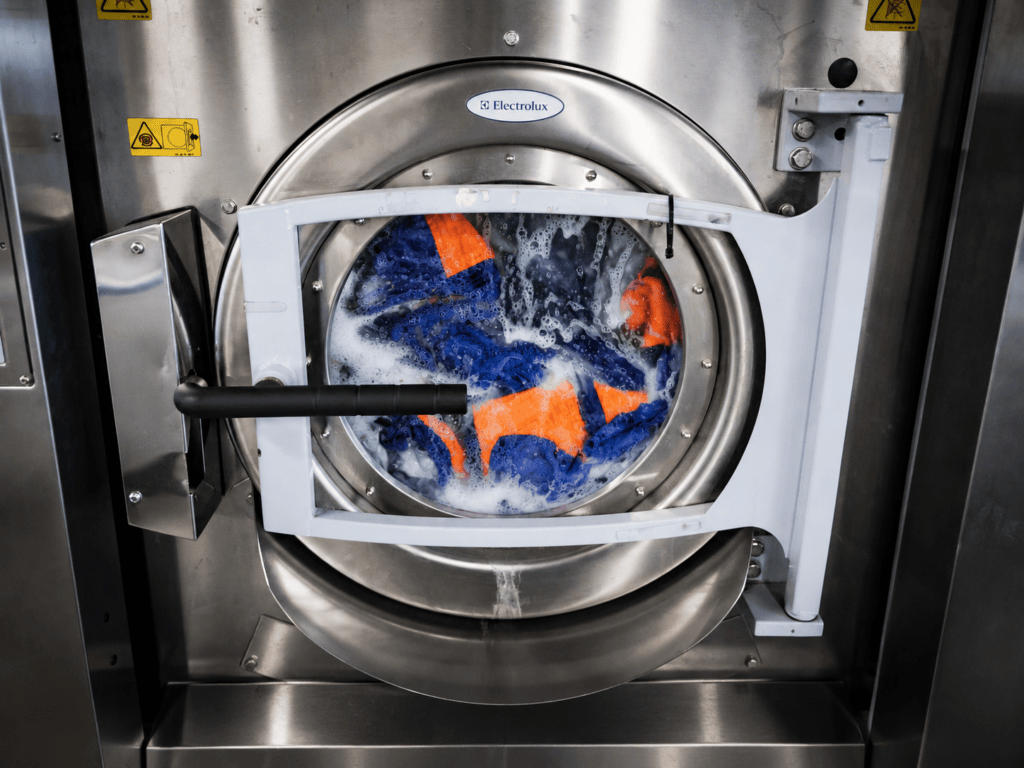
When you’re comparing flame-retardant workwear quotes, ask what happens when a flame-retardant jacket comes back with a damaged zip or a torn cuff. Who checks it? How do they decide whether it can be repaired? And how does the wearer get a replacement if it needs to be taken out of use?
With a managed workwear rental service, used garments are collected, professionally laundered and inspected.
Garments are repaired where appropriate or replaced when they can no longer be kept in service. Before you compare quotes, ask each supplier how those steps work for the protective garments your team actually wears.
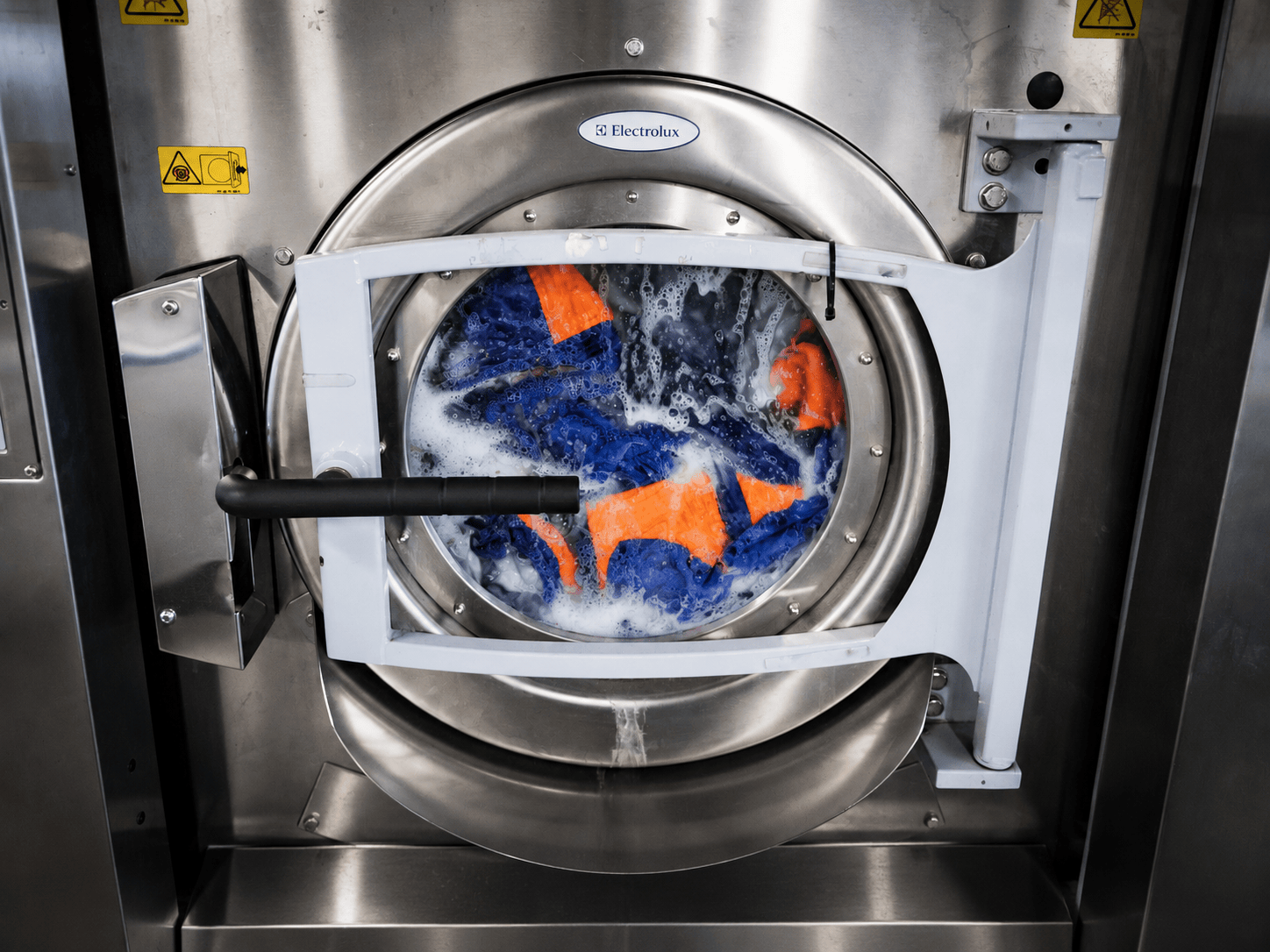
How is flame-retardant workwear washed?
The garment manufacturer’s care instructions determine how it should be cleaned. Even within one site, the protective clothing worn in a fabrication shop may have different care instructions from the garments issued to an electrical maintenance team. The HSE’s guidance on maintaining PPE covers how employers should look after the equipment they provide.
As part of Lindström’s flame-retardant workwear rental service, used garments are collected for industrial laundering. The laundry uses programmes suited to the garment and the level of soiling, with inspections and repairs built into the service.
What happens when a garment comes back damaged?
A torn seam, worn cuff or damaged fastening can affect how a garment fits or closes. Ask how your supplier inspects protective workwear, which repairs it can make under the garment’s care requirements and what happens if it takes an item out of use. You also need to know how the wearer gets a suitable replacement and who follows that up on site.
If your team also needs protection from the thermal hazards of an electric arc, confirm the protection documented for the specific garment against your site’s risk assessment. Lindström’s CE Protective Clothing Guide explains the standards behind different types of protective clothing. You can also explore the arc flash and antistatic workwear rental range.
Five questions to ask a protective workwear supplier
What is included in the quote?
Check fitting, collection, laundering, inspections, repairs and replacements. Ask which charges sit outside the regular rental fee.
How will you wash the garments we’ve specified? Ask how the laundry follows the manufacturer’s care instructions and how exceptions, such as unusual contamination, should be reported and handled.
What do you check and when?
Ask who inspects the garments, what the checks cover and what garment records your site can access.
Who decides whether to repair or replace an item?
Ask how the decision is made for protective garments and what the wearer should do if they spot damage between collections.
How will you keep our team supplied?
Check the collection schedule, how replacements are requested and what turnaround the supplier can commit to for your site.
Before you choose a workwear supplier
Ask each supplier to walk you through the same situation. A wearer reports a torn cuff just before their next shift. Who checks the damage, how soon can they get a suitable replacement, and what does the rental fee cover? Their answers will help you judge whether the service fits your shift pattern.
If you’re reviewing protective workwear for a fabrication or maintenance team, speak to Lindström UK about workwear rental. Tell us which garments your team uses, how often they need laundering and where your current process causes delays.