Purchasers handle laundering, inspections, repairs, and scheduled replacements (typically every 12–18 months).
24.02.2026
Why factory uniform matters more than you think?
A factory uniform is purpose-built workwear designed to deliver safety, durability, and comfort in demanding industrial environments such as factories, warehouses, manufacturing plants, food processing units, and engineering facilities.
Typically consisting of full-sleeve shirts, reinforced trousers, boiler suits, or coordinated shirt-and-pant sets made from cotton, polyester, or poly-cotton blends, factory uniforms are engineered to withstand tough working conditions while maintaining breathability and flexibility.
But factory worker uniforms are far more than standardized clothing. They are strategic assets that protect workers, enhance productivity, strengthen brand identity, improve morale, support sustainability goals, and optimize long-term operational costs.
In this comprehensive guide, we explore why factory uniforms truly matter more than you think.
The Role of Factory Uniform in Enhancing Safety:
Factories expose workers to sparks, chemicals, heavy machinery, sharp tools, electrical risks, and extreme temperatures. Factory workwear act as the first layer of defense.
Modern industrial uniforms may include:
- Flame-resistant (FR) fabrics
- Anti-static materials
- Cut-resistant reinforcements
- Acid- and oil-resistant textiles
- Tear-resistant stitching
- Reinforced seams
These uniforms comply with safety standards such as OSHA, EN, ANSI, and NFPA, protecting against heat, electrical arcs, splashes, and abrasions while allowing freedom of movement.
High-quality, safety-focused factory worker uniforms reduce injuries, minimize downtime, and prevent minor incidents from escalating into costly workplace accidents.
Visibility and Identification:
In low-light warehouses or busy production floors, visibility can prevent serious incidents. Reflective strips and high-visibility fabrics make workers easily noticeable to equipment operators and vehicle drivers.
Color-coded uniforms also help identify different roles—machine operators, supervisors, safety officers, or visitors—improving workflow, site management, and security.
Factory Uniforms as a Tool for Branding and Professionalism:
Creating a Corporate Identity:
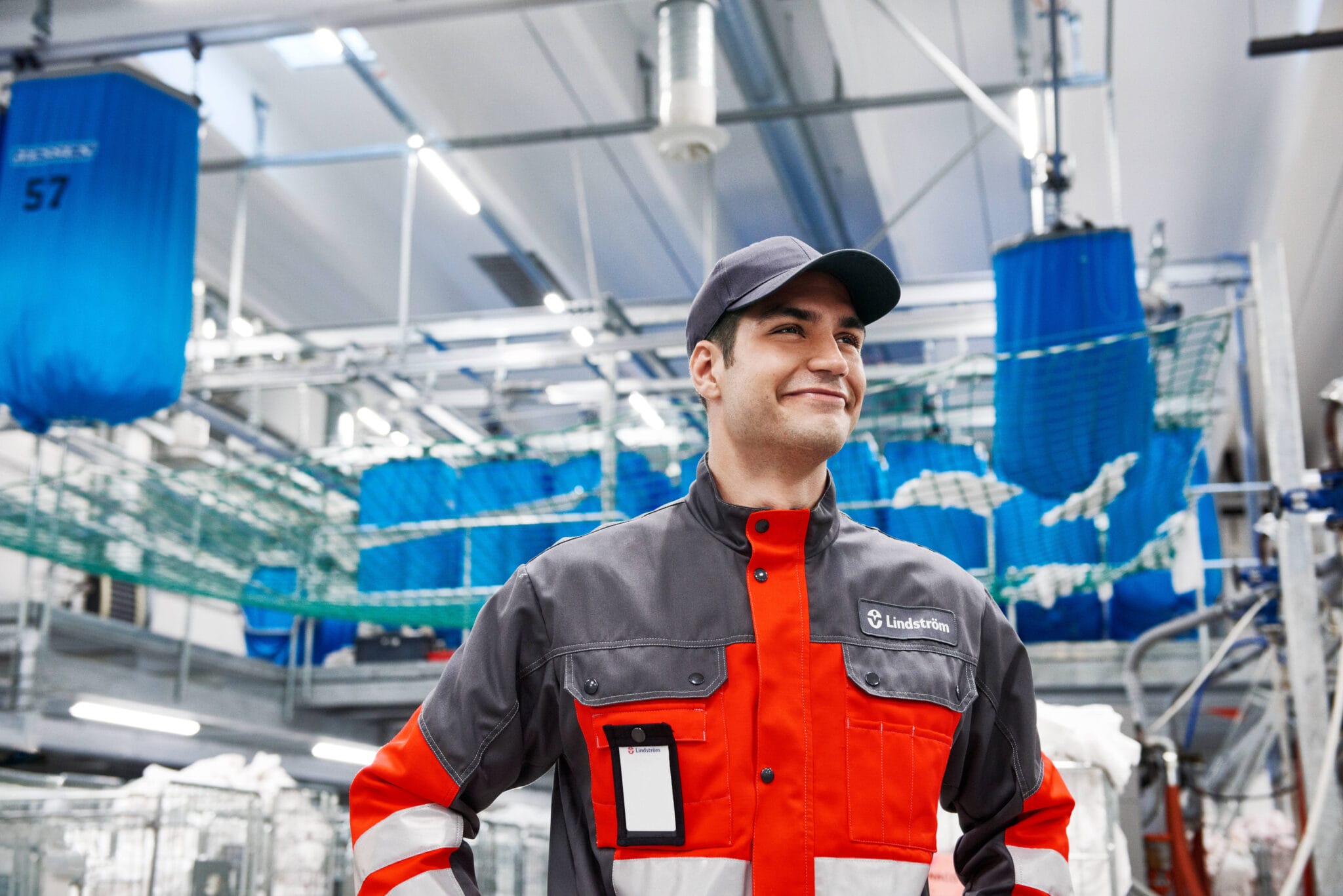
Factory worker uniforms customized with company logos, signature colors, and embroidery transform everyday workwear into powerful branding tools.
A unified appearance across departments communicates:
- Reliability
- Organization
- Discipline
- Professionalism
Whether rugged for heavy-duty operations or refined for client-facing roles, coordinated uniforms create a recognizable corporate identity.
Enhancing Customer Perception:
Visitors often judge operational standards by employee presentation. Clean, consistent uniforms reflect attention to detail and structured management.
Employees wearing professional, branded workwear serve as ambassadors of your company’s values, reinforcing brand credibility both inside and outside the workplace.
Building Team Spirit and Equality:
- Fostering a Sense of Belonging: When employees wear standardized uniforms, visible hierarchies are reduced. Matching workwear fosters equality and creates a shared identity. Inclusive sizing, unisex designs, and comfortable fits ensure every employee feels valued and respected, improving collaboration and team cohesion.
- Motivating Employees: High-quality uniforms signal that the organization invests in employee well-being. Comfortable, well-fitted garments reduce distractions and physical discomfort, boosting morale and engagement.
When workers feel protected and professionally represented, motivation and productivity naturally increase.
Common Mistakes Companies Make When Choosing Factory Worker Uniforms:
Selecting the wrong factory uniform can increase costs and compromise safety:
- Lack of Consideration for Workplace Conditions: Uniforms must match real working environments. Hot production areas require breathable fabrics, while cold storage demands insulated layers. High-risk zones need flame-resistant materials and reflective elements. Ignoring environmental conditions can reduce productivity and increase safety risks.
- Choosing Cost Over Quality: Low-cost uniforms often fade, tear, shrink, or lose protective features after repeated washing. While cheaper upfront, they require frequent replacement—raising long-term expenses. Durable materials and reinforced stitching provide better return on investment over time.
- Poor Tailoring and Fit: Ill-fitting uniforms restrict movement and may discourage compliance. Proper measurement, ergonomic design, and adjustable features improve comfort, safety adherence, and overall efficiency.
- Failing to Engage with Employee Feedback: Employees understand their daily operational needs. Involving them in uniform selection improves acceptance, satisfaction, and long-term success.
Buying vs. Renting Factory Workwear: What’s More Cost-Effective?
Organizations must decide whether to purchase uniforms outright or use a rental service.
The Case for Buying Factory Workwear:
Buying requires higher upfront investment but provides:
- Long-term cost savings for stable teams.
- Full customization and branding control.
- Greater oversight of quality and maintenance.
With proper care, purchased uniforms can last two to four years, making them economical over time.
The Case for Renting Factory Workwear:
Rental programs offer:
- Lower initial investment
- Flexible scaling for workforce fluctuations
- Outsourced laundering and repairs
- Predictable monthly expenses
Rental models are ideal for seasonal industries or high employee turnover environments.
Sustainable Factory Uniforms: The Future of Industrial Workwear
Sustainability is becoming a major factor in workwear decisions:
- Environmental Impact of Textile Production: The textile industry contributes significantly to carbon emissions, water consumption, and microplastic pollution. Traditional cotton production requires high water usage, while synthetic fibers rely heavily on fossil fuels.
- Benefits of Eco-Friendly Materials: Sustainable factory uniforms now use organic cotton, recycled polyester, regenerated nylon (Econyl), Tencel (Lyocell), and hemp or bamboo blends—materials that significantly reduce environmental impact while maintaining the durability, strength, and comfort required for demanding industrial environments.
- Innovations in Sustainable Manufacturing: Technologies such as AI-driven pattern optimization, 3D knitting, digital product passports, and closed-loop recycling systems are reducing waste and improving supply chain transparency.
Sustainable uniforms strengthen brand reputation, support compliance with emerging regulations, and enhance employee pride.
How Safety-Compliant Factory Uniforms Reduce Accidents and Boost Productivity?
Safety-compliant uniforms integrate high-visibility materials, flame-resistant fabrics, ergonomic design, and durable construction to reduce workplace injuries while improving performance.
The Role of Safety Features in Factory worker Uniforms:
- High-visibility fabrics reduce collision risks
- Flame-resistant materials prevent severe burns
- Reinforced stitching protects against tears and punctures
- Moisture-wicking layers reduce fatigue
These features enhance compliance while maintaining worker mobility.
Impact of Factory worker Uniform Compliance on Worker Productivity
Comfortable, compliant uniforms reduce heat stress, fatigue, and distractions. When workers feel safe and confident, they focus better and perform more efficiently, reducing downtime caused by injuries.
How Quality Factory worker uniform Boosts Employee Morale and Strengthens Brand Identity?
High-quality factory workwear influences both internal culture and external perception:
- The Psychological Impact of Quality Uniforms on Worker Morale: Durable, well-tailored uniforms instill pride and professionalism. Employees who feel confident in their attire are more motivated and engaged. Comfortable designs reduce physical strain and help workers stay focused throughout long shifts.
- Strengthening Brand Identity Through Factory Uniforms: Consistent branding through logos, color schemes, and coordinated designs reinforces company identity and builds recognition among customers and partners.
- The Role of Customization and Modernization in Uniform Design: Modern factory uniforms incorporate smart fabrics, sustainable materials, inclusive sizing, and advanced embroidery techniques—aligning with today’s workforce expectations and corporate values.
Conclusion:
Factory uniforms are not just apparel—they are strategic investments in safety, productivity, morale, brand identity, sustainability, and cost efficiency. From flame-resistant fabrics and reflective strips to ergonomic fits and eco-friendly materials, the right factory workwear transforms workplace culture and operational performance. When thoughtfully selected and properly maintained, factory uniforms reduce accidents, enhance employee satisfaction, strengthen brand perception, and deliver measurable business value. That is why factory uniforms truly matter more than you think.
Guaranteed Safety, Compliance & Reliability
Fresh bakery uniform that keeps your team hygienic, professional, and ready to serve with confidence.

Frequently Asked Question:
add
Why do factory uniforms improve safety in manufacturing environments?
Factory uniforms enhance safety with flame-resistant, high-visibility, and durable fabrics that protect against fire, chemicals, and mechanical hazards. Proper fit and design prevent snags and slips, ensuring compliance and unrestricted movement.
add
How do factory worker uniforms foster team unity and employee pride?
Uniforms create a shared identity, removing visual distinctions and fostering belonging. Customized logos and colors instill pride and purpose, boosting collaboration, commitment, and professionalism.
add
What role do factory workwear play in enhancing brand professionalism?
Factory workwear project a cohesive, polished image that conveys reliability to customers. Visible logos and consistent colors reinforce brand identity, while well-dressed staff leave a lasting impression of competence.
add
What mistakes do companies make by choosing cheap uniforms?
They often sacrifice quality and safety, resulting in ill-fitting gear, lack of essential protections (e.g., hi-vis, flame resistance), frequent replacements, lower employee engagement, and legal exposure.
add
What maintenance obligations do buyers face compared to renters?
add
How do sustainable factory uniforms reduce environmental impact compared to traditional workwear?
They use recycled or organic fibers, streamlined manufacturing that cuts waste, and transparent or local supply chains, lowering carbon emissions, water consumption and microplastic pollution associated with conventional synthetics.
add
In what ways do safety-compliant uniforms boost worker productivity?
These factory uniforms enhance productivity by reducing heat stress and decision fatigue, improving mobility, fostering team pride, ensuring compliance to lower downtime, and increasing confidence through visibility features.
add
How do quality factory worker uniforms boost employee morale?
They create a shared identity, reduce daily decision-making, and instill pride through professional presentation. This unity and confidence translate into higher job satisfaction and loyalty.
add
How do high-quality workwear strengthen brand identity?
Uniforms with consistent colors, logos, and professional styling project credibility, serve as mobile advertisements, and reinforce brand recognition in every customer interaction.
add
Why are comfort and safety essential in factory workwear?
Comfortable, protective factory workwear minimizes distractions, reduces injury risk, and supports regulatory compliance, boosting employee focus, confidence, and overall productivity.

Related

The best part of workwear design? Seeing garments in use every day
What does a workwear designer do? Lindström designers Jenny Selroos and Karmen Lond explain the inner workings of workwear design.

7 Circular textile myths debunked: What businesses need to know
The term circular textiles is becoming increasingly familiar, but what does it actually mean? In simple terms, a circular textile system aims to keep garments...
The compliance gap in traditional workwear procurement
Know how modern workwear procurement improves compliance, garment traceability, hygiene and inventory efficiency in pharma and food processing.