
The compliance gap in traditional workwear procurement
Pharmaceutical and food processing operations with high contamination-control requirements face a challenge procurement teams often underestimate: a garment is only as safe as the system managing it.
Human operators are a major contamination source in controlled environments. Research indicates that a single person sheds 30,000–40,000 skin cells every minute, with personnel and their clothing responsible for an estimated 80% of contamination introduced into cleanrooms. Under the 2022 revision of EU GMP Annex 1, garments are treated as part of the contamination-control system, requiring rigorous validation and documentation.
Traditional procurement models, where facilities purchase garments outright, can create visibility gaps. Wash-cycle counts may go unrecorded, repair histories become fragmented, and auditors can encounter inconsistencies. A garment laundered 80 times may look identical to one laundered 20 times, yet their condition and compliance risk may differ significantly.
Production-on-demand workwear changes this model by shifting garment readiness, traceability, and lifecycle management to a specialised provider.
Why production-on-demand outperforms traditional inventory?
Demand workwear built around actual production volumes helps eliminate the inefficiencies of traditional inventory in regulated environments.
- Reduced safety stock. Conventional models rely on excess garments to cover demand surges. Managed pooled inventory can reduce total garment requirements by up to 66%, while keeping garments actively tracked and maintained.
- Garments kept in appropriate condition. Defined garment lifecycles ensure items are retired at set thresholds rather than only when visible damage appears. RFID tracking can automate lifecycle monitoring and provide an auditable service history.
- Circular logistics. Returned garments move through a closed-loop laundering and reprocessing system rather than remaining idle or being discarded prematurely, helping reduce resource use and unnecessary replacement.
- Scalability. When production increases or temporary workers are added, garment volumes can scale accordingly. When demand falls, inventory can be reduced without leaving excess stock on-site.
Meeting Pharma and Food Safety Standards:
A qualified workwear provider serving regulated industries must demonstrate compliance with relevant standards, including:
- ISO 14644-1:2015 — establishes cleanroom air cleanliness classifications by particle concentration.
- EU GMP Annex 1 (2022 revision) — strengthens requirements around contamination-control strategies and garment processing in sterile manufacturing.
- EN 14065 (RABC) — provides a Risk Analysis and Biocontamination Control framework for professionally laundered textiles.
- HACCP principles — require potential contamination risks, including workwear, to be identified and controlled throughout handling.
Home washing can create a compliance gap. Consumer washing machines do not provide the same validated temperature, detergent chemistry, process controls, or separation of clean and contaminated garments as specialized industrial laundering. A single non-compliant garment re-entering a controlled environment can undermine an otherwise well-managed contamination-control program.
The role of automation in contamination control:
Automated workwear systems help remove many of the human variables associated with manual stock management. With open shelving and manual garment issue, organizations may have limited visibility into whether a garment has completed the validated wash cycle, who used it, or whether soiled items were returned correctly. Automated dispensing systems can record every issue, return, and replacement while providing garments around the clock.
RFID tracking supports this process by following each garment throughout its lifecycle: use, return, transport, laundering, inspection, repair, and reissue. This creates a documented chain of custody and strengthens audit readiness. Automated return systems can also physically separate soiled garments from clean stock, reducing the risk of cross-contamination. Digital portals further support compliance by providing wash-cycle histories, garment lifecycle data, and reports on demand.
Evaluating a managed service provider:
Choosing a managed workwear provider for pharmaceutical and food-processing environments requires more than comparing garment prices.
- Geographic coverage: Multi-site businesses benefit from consistent laundering standards and traceability across locations.
- Validation documentation: Providers should be able to demonstrate garment-level wash histories and service records where required.
- Repair quality: Repairs must maintain garment integrity and avoid introducing contamination risks.
- Circularity: Responsible handling of end-of-life textiles can also indicate broader operational discipline and sustainability performance.
Together, these factors provide a practical framework for assessing whether a managed service can support both operational efficiency and compliance.
Key takeaways for operations leaders:
Automated workwear management is becoming more than a logistics convenience in pharmaceutical and food-processing environments.
- Inventory efficiency: Production-on-demand models can reduce standing garment inventory while maintaining availability.
- Validated laundering: Industrial laundering provides controlled and documented garment hygiene.
- Audit-ready traceability: RFID and automated dispensing create garment-level lifecycle records.
- Closed-loop management: Washing, inspection, repair, tracking, and distribution are managed as one documented process.
The bottom line: a managed, demand-driven workwear programme can function as a contamination-control asset rather than simply a cost centre.
Future proofing your facility with managed textiles:
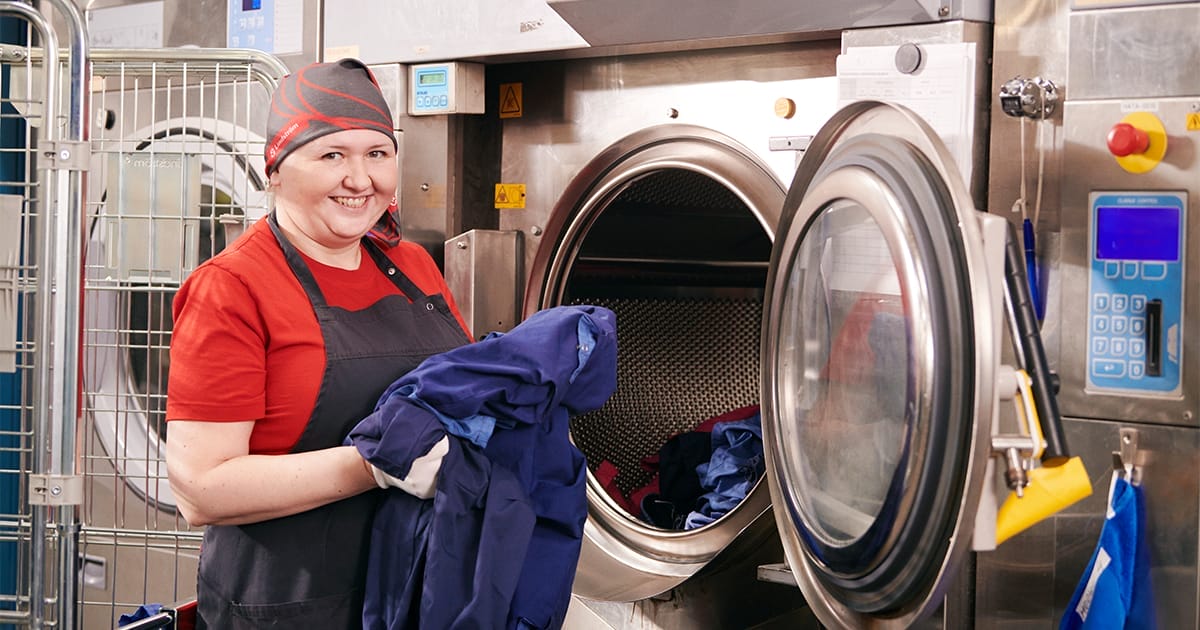
The traditional buy-and-wash model carries hidden costs across labour, utilities, inventory management, garment degradation, and compliance risk. Lindström addresses these challenges through its PRODEM service, which brings laundering, RFID-based tracking, repair, replenishment, and lifecycle management into a managed service model. This gives facility managers fewer textile-related processes to control internally while creating a documented service chain.
As expectations around garment hygiene and traceability continue to rise, facilities should review their current garment lifecycle and identify where wash validation, tracking, garment age, or repair histories are unclear. Those gaps are often where contamination and audit risks begin. A managed textile service helps make them visible — and easier to control.
Frequently Asked Questions:
How does production-on-demand workwear support change workforce needs?
It allows garment volumes to scale with production activity, seasonal demand, new shifts, or temporary workers without relying on large, fixed inventories.
What problems can arise from keeping too much workwear in storage?
Excess garments can remain outside the active laundering and tracking cycle, making their condition, cleanliness, and service history harder to verify.
When should a workwear garment be replaced?
In a managed system, garments can be retired according to defined lifecycle thresholds rather than waiting until visible damage appears.
How can poor repair practices affect contamination control?
Repairs that damage seams, fibers, or garment integrity can increase contamination risk, particularly in controlled pharmaceutical and food-processing environments.
How does automated garment return reduce cross-contamination?
Dedicated return systems keep used garments physically separated from clean garments, reducing the risk of contaminated items mixing with ready-to-use stock.
How does managed workwear contribute to sustainability?
Managed textile systems can extend garment life, reduce unnecessary stock, support repair and reuse, and provide more structured handling of garments at the end of their service life.

Related
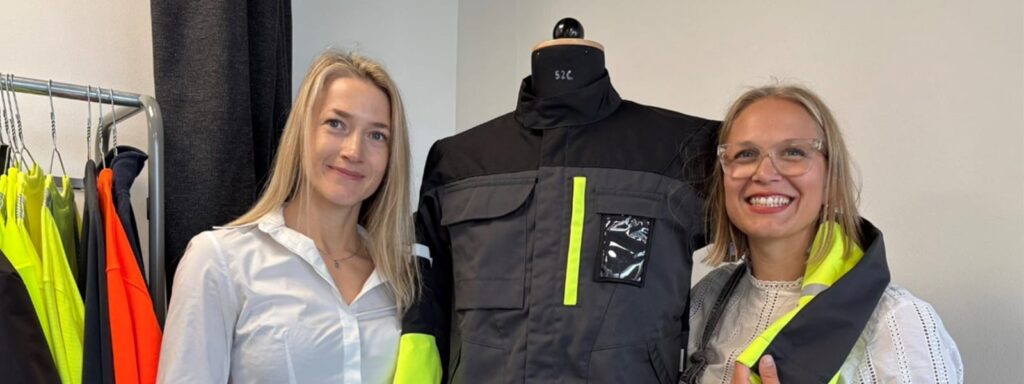
What does a workwear designer do? Lindström designers Jenny Selroos and Karmen Lond explain the inner workings of workwear design.

The term circular textiles is becoming increasingly familiar, but what does it actually mean? In simple terms, a circular textile system aims to keep garments...

Know when to repair or replace worn workwear, how safety and garment condition guide the decision, and why repair supports circular, sustainable textiles.
