

7 Circular textile myths debunked: What businesses need to know
The term circular textiles is becoming increasingly familiar, but what does it actually mean? In simple terms, a circular textile system aims to keep garments and textile materials useful for as long as possible. Instead of following a linear model of producing, using and discarding textiles, circularity focuses on durable design, efficient use, maintenance, repair, reuse and responsible recycling.
For businesses that rely on workwear, uniforms and other professional textiles, this shift is particularly relevant. Circularity can influence how garments are designed, how many are produced, how long they remain in use and what happens when they finally reach the end of their useful life.
Yet several misconceptions still surround the circular textile economy. Here are seven common myths—and the realities behind them.
Myth 1: Circular textiles are just about recycling
Reality: Recycling is only one part of a circular textile system.
When people hear “circular textiles,” recycling is often the first thing that comes to mind. However, waiting until a garment becomes waste misses much of the opportunity. Circularity begins much earlier, starting with design and material selection. A garment that is durable, functional and repairable can remain in use for longer. Regular maintenance can extend its useful life further, while suitable garments may be reused instead of immediately replaced. Only when continued use or repair is no longer practical should recycling become the next consideration.
For example, Lindström’s workwear model considers durability and repairability as part of garment design and lifecycle management. Workwear is also tested to withstand repeated professional use and industrial laundering.
Key takeaway: The most circular garment is not simply one that can eventually be recycled. It is one that remains useful for as long as possible.
Myth 2: New workwear is always better than reused workwear
Reality: A professionally maintained garment can continue delivering value well beyond its first period of use.
“New” does not automatically mean “better.” In a managed workwear system, garments can be inspected, professionally washed, maintained and repaired throughout their service life. If a garment remains suitable for use, replacing it simply because it is no longer new may create unnecessary demand for additional textiles.
The important question is whether the garment remains safe, hygienic, functional and appropriate for the task. This is particularly relevant for companies managing hundreds or thousands of workwear items. Keeping suitable garments in circulation can reduce unnecessary textile consumption while helping businesses use existing resources more efficiently.
Myth 3: Circularity means compromising on quality
Reality: Circular textile systems depend on quality and durability.
Poor-quality garments that quickly lose their shape, become damaged or fail to perform properly are difficult to keep in circulation. Circular textile therefore needs to be designed with actual working conditions in mind. Fabric durability, reinforced areas, repairable construction, practical closures and appropriate materials can all contribute to a longer garment life.
Professional workwear providers can also test fabrics and garments under real-use and industrial-laundering conditions before introducing them into service. Quality and circularity are therefore not competing priorities. In many cases, quality is what makes circularity possible.
Myth 4: Circular textile solutions are always more expensive
Reality: The initial purchase price does not represent the total cost of workwear.
When evaluating uniforms, businesses often focus primarily on the cost of purchasing each garment.
But workwear also creates ongoing requirements related to:
- laundering
- repairs
- replacement
- inventory
- storage
- distribution
- size changes
- end-of-life handling
A cheaper garment that needs to be replaced frequently may not necessarily be the most cost-efficient option over its lifetime. Circular workwear management takes a broader view. The objective is to use the right number of garments, keep them functional for longer and avoid unnecessary replacements or excessive inventory. A managed textile service can also bring supply, washing, maintenance and replacement into a single lifecycle-based system. The better question is therefore not only “What does this garment cost?” but also “How efficiently can we manage it throughout its useful life?”
Myth 5: Recycling will solve the textile-waste problem
Reality: Recycling is important, but preventing unnecessary waste comes first.
Textile recycling has an important role in the circular economy, particularly once garments can no longer be safely or practically used. However, recycling alone cannot solve the challenge of textile waste. A stronger circular strategy first asks whether production can be avoided, whether garments can remain in use longer and whether repair or reuse is possible.
Lindström reported that 66% of its textile waste was recycled in 2025. It works on solutions that bring fibers from end-of-life textiles back into new textile materials. These developments demonstrate why recycling works best as part of a broader system that also prioritizes durability, repair and reuse.
Myth 6: Circular textiles only matter to fashion companies
Reality: Professional textiles are also an important part of the circular economy.
Discussions around textile sustainability frequently focus on consumer fashion. Yet textiles are used across almost every major industry. Hospitals require healthcare clothing. Manufacturing businesses need industrial workwear. Food companies depend on hygienic garments. Hotels, restaurants, laboratories, logistics companies and construction businesses all rely on professional textiles. For these organizations, textiles are not simply clothing. They are an operational resource.
Professional workwear can also be managed systematically. Garments may be tracked, professionally cleaned, inspected, repaired and replaced through a structured service rather than being treated as individually owned disposable items. Circular textiles are therefore relevant not only to fashion brands but also to procurement, operations, facilities, sustainability and workplace management teams.
Myth 7: Implementing circular workwear is too complicated
Reality: Businesses do not need to manage every stage of the textile lifecycle themselves.
Moving towards a more circular workwear system does not necessarily require an organization to redesign everything at once.
A practical starting point is to ask:
- How long are our garments currently being used?
- Why are they being replaced?
- Can damaged workwear be repaired?
- Are we holding more garments than employees need?
- What happens to workwear when employees change roles or leave?
- What happens when garments reach the end of their useful life?
These questions can reveal opportunities to reduce unnecessary consumption. A textile-service model can also centralize activities such as garment supply, washing, maintenance, repair, replacement and end-of-life management, making circular workwear easier to implement in everyday operations.
Circular textiles in practice:
A circular workwear system works best when lifecycle thinking begins before a garment is even produced. That includes designing garments for durability, choosing materials suited to professional conditions and considering how easily products can be maintained and repaired. During use, professional washing and regular maintenance can help garments remain functional for longer. Minor damage can often be repaired instead of triggering immediate replacement. Lindström reported repairing 2.9 million textile items in 2025, helping extend their useful service life. The company also reported recycling 66% of its textile waste during the same year. Production methods can play a role too. Producing garments according to actual demand can help limit unnecessary inventory and reduce the risk of unused textiles becoming obsolete. The broader lesson is that circularity cannot be achieved through a single recycled fabric or recycling program. It requires looking at the entire textile lifecycle—from design and production to use, maintenance, repair, reuse and end-of-life processing.
What does a circular workwear strategy look like?
A practical circular workwear strategy can be built around five principles:
- Choose durable workwear that is designed for the realities of the job.
- Avoid unnecessary production and inventory by matching garment availability with actual demand.
- Maintain garments correctly so they remain functional and suitable for longer.
- Repair and reuse before replacing whenever safety, hygiene and performance requirements allow.
- Recycle responsibly at end of life when garments can no longer remain in circulation.
Together, these actions can help organisations move away from a disposable approach towards more efficient textile management.
Moving from circular textile myths to practical action:
Circular textiles are not about finding one perfect fiber, recycling every garment or simply replacing existing uniforms with products labelled as sustainable. They are about using textile resources more intelligently throughout their entire lifecycle. For professional workwear, some of the greatest opportunities come from producing only what is necessary, designing garments to last, maintaining them correctly, repairing damage and keeping suitable garments in circulation for as long as possible.
A managed textile-service model can help turn these principles into everyday practice by connecting garment supply, professional care, repair, inventory management and end-of-life solutions within one system. For organizations looking to reduce textile waste while maintaining reliable, hygienic and professional workwear, the starting point is simple: think beyond the individual garment and consider how the entire textile lifecycle is managed. Circularity is not simply about what a garment is made from. It is about how intelligently that garment is designed, used, maintained and kept in circulation throughout its life.
Frequently Asked Questions:
What is the circular economy in textiles?
The circular economy in textiles is an approach that aims to reduce waste and make better use of textile resources. Instead of producing garments, using them briefly and discarding them, a circular system tries to keep products and materials in circulation for longer.
What are circular textiles?
Circular textiles are garments and textile materials that are designed and managed to remain useful for as long as possible. Circular textile systems typically focus on durability, maintenance, repair, reuse and responsible recycling.
Is textile recycling the same as textile circularity?
No. Textile recycling is only one part of circularity. A circular approach also focuses on reducing unnecessary production, extending garment lifetimes, repairing damaged textiles and reusing suitable products before they become waste.
Why is durability important in circular workwear?
Durability helps garments remain usable for longer. A durable garment can withstand repeated wear, washing and maintenance, reducing the need for frequent replacement and helping conserve textile resources.
How does repairing workwear support circularity?
Repairing suitable garments can extend their useful life and prevent premature disposal. Minor damage such as broken fasteners, damaged seams or localised wear may sometimes be repairable, depending on the garment and its safety requirements.
Can workwear be reused safely?
Yes, suitable workwear may be reused when it continues to meet relevant standards for safety, hygiene, condition, fit and functionality. Professional inspection, laundering and maintenance are important parts of determining whether a garment remains suitable for service.
How can businesses reduce textile waste from workwear?
Businesses can reduce textile waste by choosing durable products, ordering according to actual demand, maintaining garments correctly, repairing workwear where appropriate, keeping suitable textiles in circulation and creating clear end-of-life processes.
How does a workwear rental service support circularity?
A workwear rental or managed textile service can coordinate garment supply, laundering, maintenance, repair, replacement and end-of-life handling. This lifecycle approach can make it easier to keep textiles in use and avoid unnecessary purchases.
Are recycled materials always more sustainable?
Not necessarily. Recycled materials can support circularity, but the overall environmental performance of a garment also depends on factors such as durability, manufacturing, transport, maintenance, useful life and what happens at the end of use. Material choice should therefore be considered as part of the complete lifecycle.
What happens to workwear at the end of its useful life?
When a garment can no longer be safely reused or repaired, it may enter an end-of-life process. Depending on available technologies and the garment’s composition, materials may be recycled into new textile fibres or used in other applications

Related
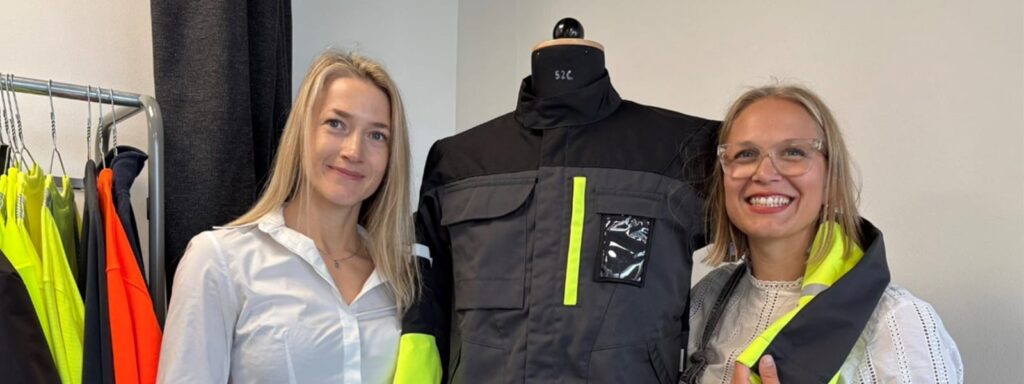
What does a workwear designer do? Lindström designers Jenny Selroos and Karmen Lond explain the inner workings of workwear design.
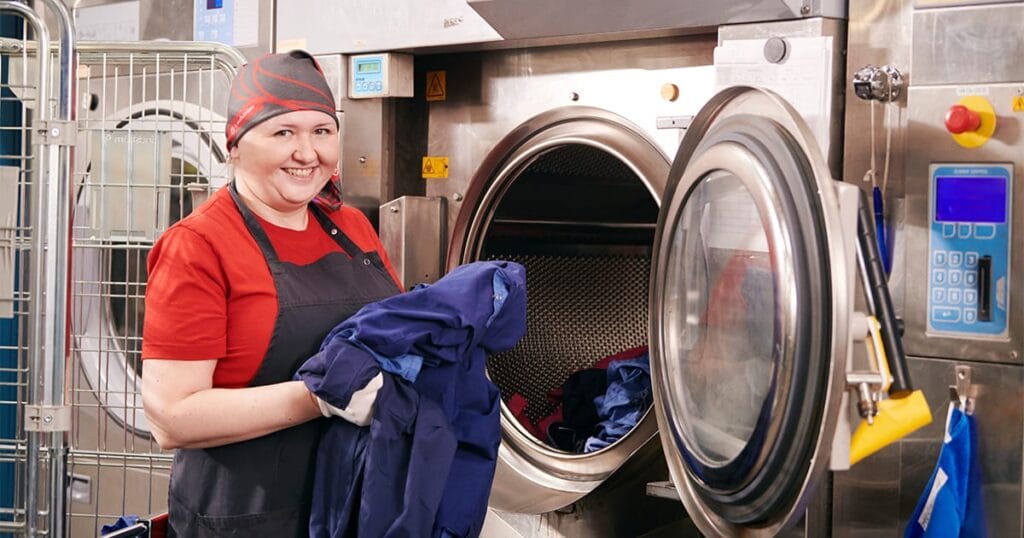
Know how modern workwear procurement improves compliance, garment traceability, hygiene and inventory efficiency in pharma and food processing.

Know when to repair or replace worn workwear, how safety and garment condition guide the decision, and why repair supports circular, sustainable textiles.
