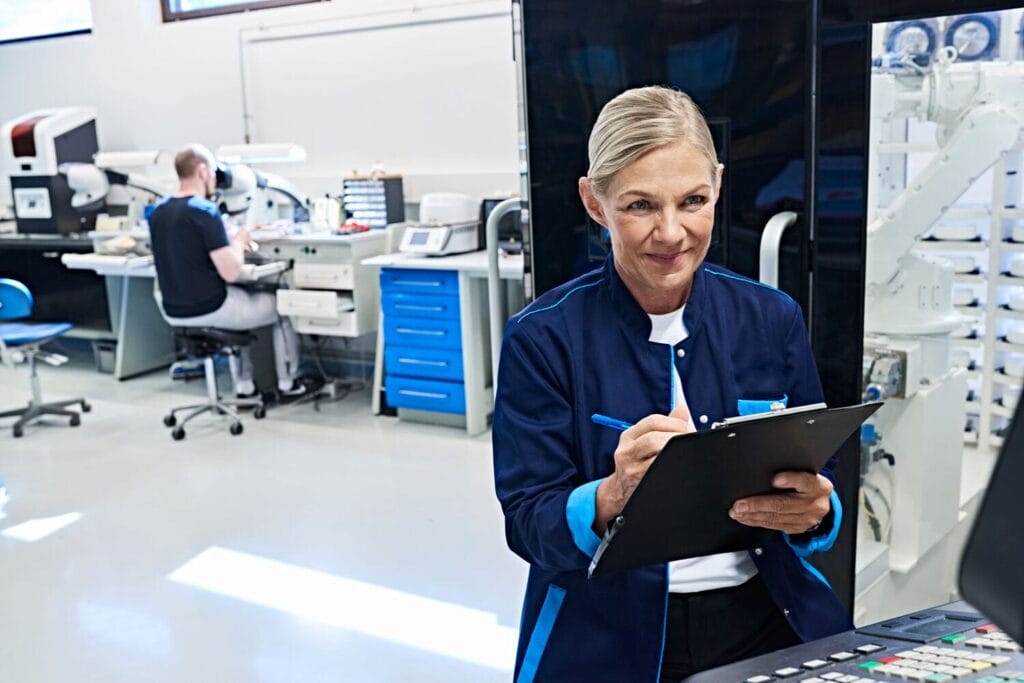
Yes—breathable fabrics, proper rotation, and timely washing help reduce discomfort and odour build-up in hot workshops.
18.02.2026
Automotive Uniform Rental vs. Buying: Which Makes More Sense?
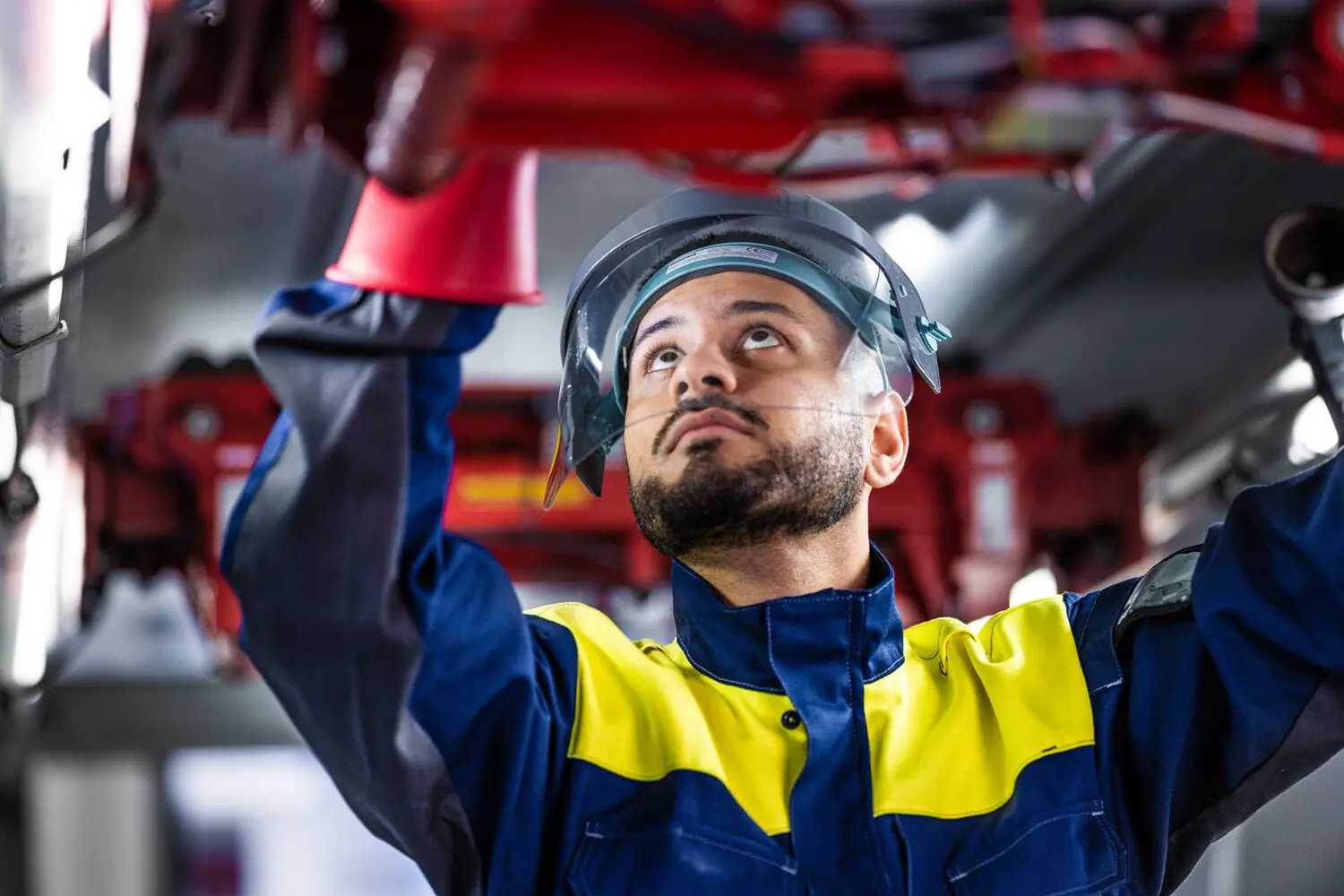
A professional Automotive Uniform does more than make your team look consistent. In workshops, dealerships, service bays, body shops, and fleet maintenance units, uniforms influence safety, hygiene, productivity, compliance, and customer confidence. The real decision is whether to buy uniforms outright or use an Automotive Uniform rental program that includes cleaning, maintenance, and replacement.
This guide goes deeper than a simple pros/cons list. It explains the operational and financial realities behind both models, so you can choose what makes sense for your facility—and understand why renting is often the better fit for automotive environments.
Why Automotive Uniforms need a “system,” not just a purchase?
Automotive work is high-contact and high-soil:
- Oil, grease, coolant, brake dust, carbon residue.
- Metal filings, sharp edges, repetitive bending and kneeling.
- Chemical cleaners, degreasers, solvents, paint overspray (body shops).
- Heat, humidity, and long shifts.
Over time, this leads to predictable uniform problems: persistent stains, odours, worn knees/elbows, broken zips, torn pockets, and poor fit.
When uniforms degrade, they affect:
- Workplace safety (snag risk, reduced mobility, exposed skin).
- Professional appearance (customer perception in visible bays).
- Hygiene control (contamination transfer and unpleasant odour build-up).
- Team morale (nobody likes wearing ill-fitting, tired garments).
That’s why the question isn’t only “rent or buy?” It’s: Who will run the uniform system—your team or a service provider?
What buying an Automotive Uniform really involves:
Buying uniforms is straightforward at the start. You pick designs, sizes, and branding, then order sets for each employee. But after the first purchase, you’re responsible for everything that keeps the program working.
Typical “buying” responsibilities:
- Deciding how many sets per person (often 3–5 sets minimum for rotation).
- Managing laundry (employee home washing or in-house laundry).
- Setting replacement rules (tears, stains, odours, shrinkage).
- Handling repairs (seams, zips, buttons, reflective tape, reinforcements).
- Managing stock for new hires and size changes.
- Collecting uniforms during offboarding to prevent loss.
Where buying works well:
Buying can make sense when:
- Your team is small and stable.
- Work is relatively light-duty (some service advisor roles, front-of-house).
- You have a consistent, reliable in-house laundering process.
- You have someone responsible for uniform tracking and replacement.
Hidden challenges with buying:
1) Cleanliness becomes inconsistent:
Home-washed uniforms vary heavily in temperature, detergent, drying method, and frequency. In automotive work, that often means:
- Oil/grease stains remain.
- Odours persist (especially in summer).
- Fabric degrades faster from harsh washing.
- Garments shrink, fade, or lose shape.
2) You need higher inventory than you expect:
When one person doesn’t wash on time, or a garment is damaged, you need spare sets—otherwise the employee shows up in personal clothing or mismatched gear. That creates inconsistency and weakens the uniform standard.
3) Replacement cost is unpredictable:
Automotive uniforms wear out faster than office clothing. Buying turns replacement into a recurring surprise spend—especially if you don’t have an enforced replacement cycle.
What Automotive Uniform rental typically includes:
An Automotive Uniform rental model usually provides:
- Issued uniforms per employee (identified and allocated).
- Scheduled delivery of clean garments.
- Collection of used/soiled garments.
- Professional laundering and finishing.
- Repairs and replacements (based on program terms).
- Size swaps and onboarding support.
Instead of owning all garments and managing the full lifecycle yourself, you’re essentially paying for availability + cleanliness + maintenance + control.
Why Automotive Uniform rental is often the better fit:
Rental is popular in automotive environments because it addresses the predictable pain points that show up in day-to-day operations.
1) Cleaner uniforms through consistent upkeep:
Automotive work creates deep soils that don’t always come out with casual washing. Rental programs typically follow consistent wash processes, helping garments stay presentable and comfortable over repeated cycles. This is especially important when technicians are visible to customers or move between workshop and reception areas.
2) Built-in maintenance keeps uniforms safe and wearable:
In workshops, damage is normal—torn seams, worn knees, pocket failures, broken fasteners, and zipper issues. With rental, repairs and replacements are usually managed as part of the service flow, so uniforms stay functional and safer to wear.
3) Better continuity for growing teams:
Hiring, transfers, and size changes are common. Rental programs often make provisioning and size swaps simpler, reducing the time employees spend in personal clothing while waiting for new uniforms or correct sizes.
4) More consistent team appearance:
A rental model helps maintain a standard look across employees because garments are typically the same design and are cycled, cleaned, and maintained consistently. This supports a more professional customer experience and keeps your brand image uniform across the floor.
5) Less operational distraction for managers:
Buying often creates ongoing admin work: tracking inventory, handling complaints about missing sets, storing spares, coordinating laundry, managing repairs, and ensuring returns during offboarding. Rental reduces that effort by turning garment circulation into a routine process.
The most important comparison: Total Cost of Ownership (TCO):
When you buy an Automotive Uniform, your cost isn’t only the invoice. It includes:
- Number of sets required to avoid rotation gaps.
- Laundry cost/time (home or in-house).
- Replacement frequency due to stains/tears/shrinkage.
- Admin time managing inventory and onboarding.
- Downtime when uniforms aren’t available.
Rental often looks “more expensive” per month until you compare full TCO—especially in heavy-duty workshops where uniforms wear out quickly.
Conclusion:
For most workshops and service centres, Automotive Uniform rental is beneficial because it delivers what automotive operations need consistently: clean garments, predictable availability, built-in maintenance, easier onboarding, fewer disruptions, and less admin work. Buying can work in limited scenarios, but rental often makes more sense in real-world automotive conditions where uniforms face heavy soil and constant wear.
Guaranteed Safety, Compliance & Reliability
Fresh bakery uniform that keeps your team hygienic, professional, and ready to serve with confidence.

Frequently Asked Question:
add
Is Automotive Uniform rental suitable for big companies?
No. Rental can work for smaller workshops too, especially when you want consistent cleanliness and don’t want to manage washing, repairs, and replacement internally.
add
Does rental help with branding and customer perception?
Yes. Rental supports consistency in colour, fit, and presentation—so your team looks professional every day, not only on certain days.
add
What’s the best Automotive Uniform option for body shops and paint areas?
Choose garments that support mobility and are suited to paint/dust environments, with designs that minimise lint and handle frequent cleaning.
add
Can we set different delivery frequencies for different sites or departments?
Often yes. High-soil areas may need more frequent changes than front-of-house or parts counters.
add
Do Automotive Uniforms need special care for heat and humid conditions?

Related
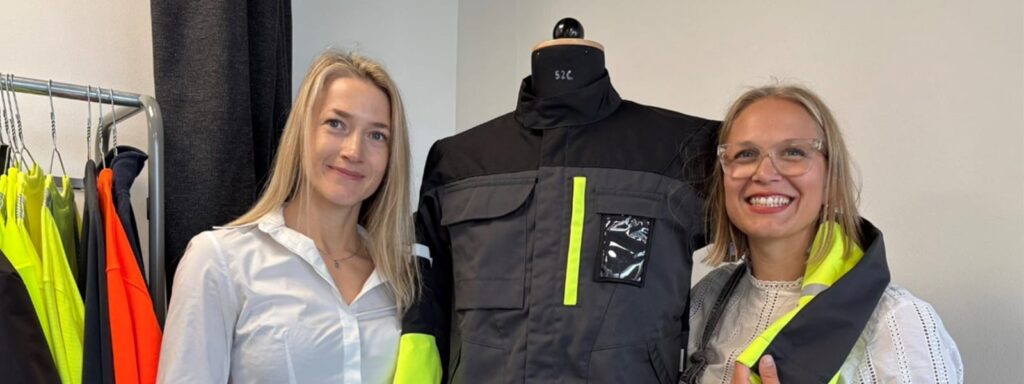
The best part of workwear design? Seeing garments in use every day
What does a workwear designer do? Lindström designers Jenny Selroos and Karmen Lond explain the inner workings of workwear design.

7 Circular textile myths debunked: What businesses need to know
The term circular textiles is becoming increasingly familiar, but what does it actually mean? In simple terms, a circular textile system aims to keep garments...
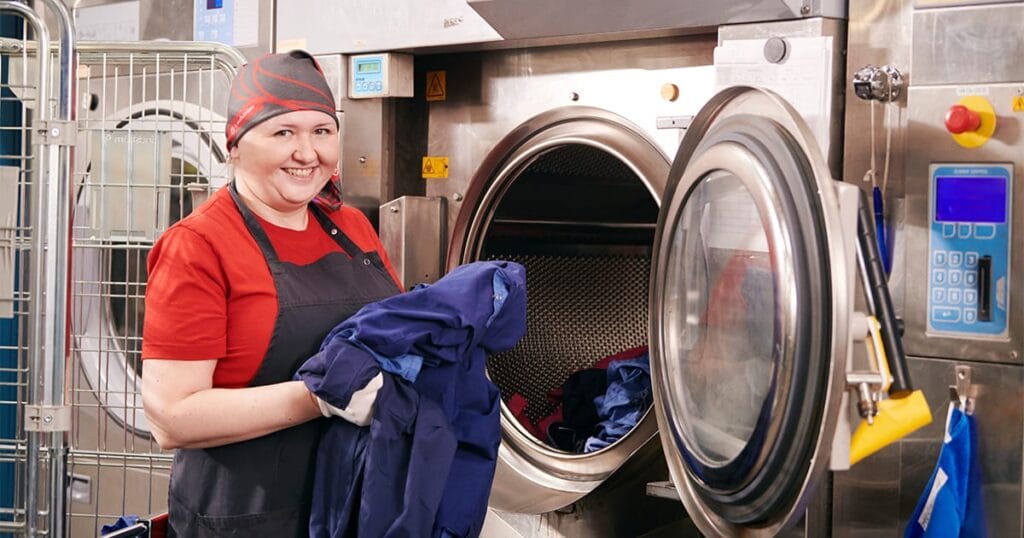
The compliance gap in traditional workwear procurement
Know how modern workwear procurement improves compliance, garment traceability, hygiene and inventory efficiency in pharma and food processing.