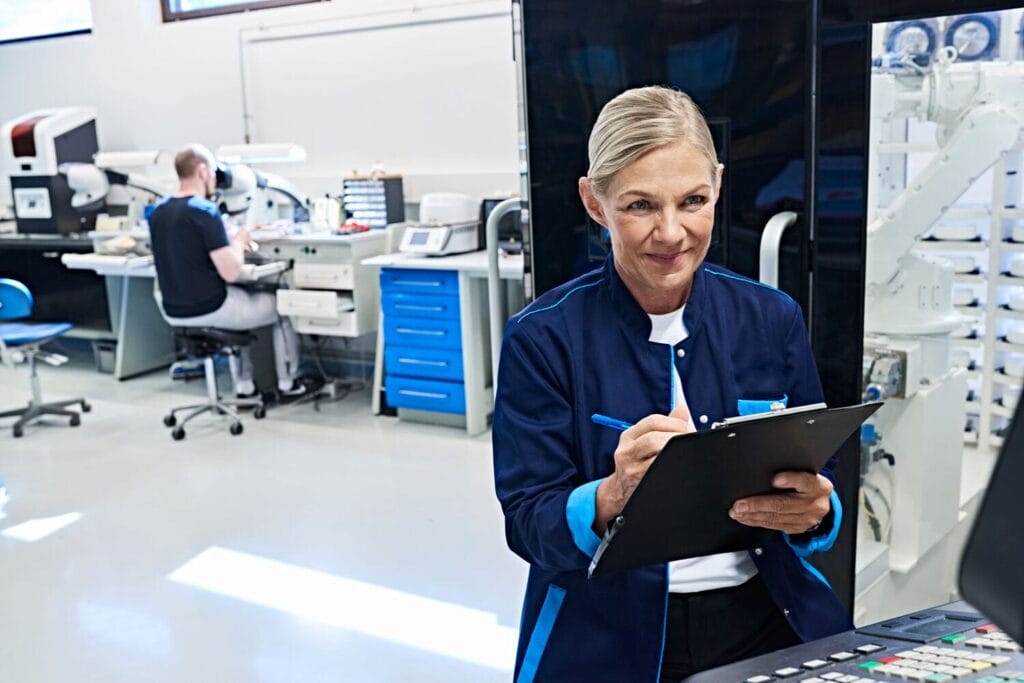
Industrial worker uniform guide: how to choose the right uniform?
An industrial worker uniform should do more than make employees look the same. It should support safety, hygiene, comfort and daily work on the shop floor. The right choice depends on your industry, the risks of each task, the working conditions and how the garments will be cleaned, repaired and replaced. For many companies, a managed workwear service is easier than buying uniforms, because it keeps clean industrial worker uniform available without adding laundry, storage and stock management work to your team.
What is an industrial worker uniform?
An industrial worker uniform is workwear used in factories, plants, warehouses, laboratories and other industrial workplaces. It can include shirts, trousers, coats, coveralls, aprons, jackets or other garments used during work.
In practice, industrial uniforms need to answer three simple questions:
- What does the employee do?
- What risks or hygiene needs are linked to the task?
- How will the garment stay clean, safe and available every day?
That last question is often the one that gets missed. Buying factory uniforms is only the first step. After that, someone still needs to manage washing, repairs, replacements, sizes, storage and stock.
Start with the work, not the uniform:
The best industrial worker uniform is chosen by workplace need. A maintenance technician, production operator, visitor, supervisor and quality team member may not need the same garment.
Look at task-related risks:
Before selecting work uniforms for industry, map the real working conditions. For example:
- Is the employee working near heat, oil, grease, dust or sharp edges?
- Is hygiene important for the product, process or working area?
- Does the role need high visibility or easy identification?
- Will the garment be used indoors, outdoors or in changing temperatures?
- Does the employee need to bend, lift, climb or work for long shifts?
How often does the garment become dirty during a normal shift?
Match garments to roles:
A common mistake is choosing one industrial uniform for everyone. This may look simply, but it can create problems. Some employees may be over-dressed for their tasks, while others may not have enough protection or comfort.
Use role groups instead:
| Role or work area | What to consider | Why it matters |
| Production workers | Comfort, hygiene, movement, durability | Garments must support long shifts and repeated use |
| Maintenance teams | Dirt, oil, tool use, repairs | Workwear often needs stronger materials and regular maintenance |
| Quality or hygiene teams | Cleanliness, visual identification, process needs | Clothing may need to support hygiene control |
| Warehouse and logistics | Movement, visibility, temperature changes | Employees may move between different work areas |
| Visitors and contractors | Easy availability, clear identification | Helps keep access and hygiene routines simple |
| Supervisors | Professional look, comfort, recognisability | Supports authority and easy identification on site |
What to check before choosing industrial uniform?
Choosing protective industrial worker uniform is not only about fabric and design. Procurement, EHS and plant teams should look at the full life cycle of the garment.
1. Safety and workplace suitability:
Start with your internal risk assessment. The uniform should fit the task, the work area and the safety rules of your site. Avoid choosing garments only because they look smart in a catalogue.
Check:
- Required protection level for the task.
- Fit and freedom of movement.
- Visibility needs.
- Pocket placement and closure types.
- Comfort in local temperatures.
- Compatibility with other personal protective equipment.
2. Hygiene and washing needs:
Industrial uniforms collect sweat, dust, oil, dirt and other residues. If washing is handled by employees at home, the company may have less control over wash quality, garment condition and timely availability.
A managed laundry process helps make garment care more consistent. It also reduces the burden on employees and internal teams.
3. Maintenance, repairs and replacements:
Small tears, broken buttons or worn fabric can quickly become a safety or hygiene issue. That is why garment maintenance should be planned from the beginning.
Ask:
- Who checks garments for damage?
- How quickly are repairs handled?
- When is a garment replaced?
- How are missing uniforms tracked?
- How are size changes managed when employees join, leave or move roles?
4. Stock availability:
Uniform shortages are frustrating. They can delay shifts, create hygiene risks or push employees to use damaged clothing.
Good stock planning should cover:
- New starters
- Seasonal workforce changes
- Role changes
- Size changes
- Garments being washed or repaired
- Backup stock for busy periods
5. Employee comfort:
Comfort matters because employees wear industrial uniforms for many hours. Poor fit, heavy fabric or uncomfortable seams can affect focus and movement.
Practical comfort checks include:
- Can employees move freely?
- Is the fabric suitable for the temperature?
- Are sizes easy to manage?
- Does the garment support the employee’s actual working posture?
- Is it easy to put on, remove and store?
Buying uniforms vs using a managed workwear service:
For some companies, buying industrial worker uniforms may seem simple at first. But the hidden work often appears later: washing, storing, repairing, replacing and tracking garments.
| Area | Buying industrial uniforms | Managed workwear service |
| Upfront work | You choose and purchase garments | Needs are assessed and garments are planned with the service |
| Laundry | Managed internally or by employees | Included as part of the service |
| Repairs | Usually handled separately | Repairs are part of the regular garment flow |
| Replacements | Procurement must reorder | Damaged or worn garments can be replaced through the service |
| Stock control | Internal team tracks sizes and quantities | Garment flow and availability are managed as part of the service |
| Delivery | Internal distribution needed | Clean garments are delivered to the agreed place |
| Sustainability | Depends on purchase and disposal practices | Garments are used, maintained and handled through a circular service model |
Industrial uniform checklist for plant and procurement teams:
Use this checklist before shortlisting a supplier or service partner:
Workplace and risk fit:
- Have we mapped the main risks by role?
- Do different departments need different garments?
- Are hygiene needs clearly defined?
- Is the uniform compatible with other safety equipment?
- Have employees tested movement and comfort?
Daily use:
- How often will garments need washing?
- Where will clean uniforms be stored?
- How will used garments be collected?
- What happens if an employee’s size changes?
- How will we manage new starters and leavers?
Maintenance and control:
- Who checks garments for damage?
- How are repairs handled?
- When are garments replaced?
- How do we avoid stock shortages?
- Can we track garment quantities and usage?
Sustainability:
- Can garments be repaired to extend their life?
- What happens to garments at the end of use?
- Can we reduce over-ordering?
- Can we avoid unnecessary textile waste?
Why garment management matters as much as garment selection?
Even well-chosen uniforms can fail if the service process around them is weak. A uniform program needs regular care.
For example, plant teams often need to know:
- Are the right sizes available?
- Are clean garments ready before the shift starts?
- Are damaged garments removed from use?
- Are hygiene routines followed?
- Are seasonal peaks covered?
- Is the process easy for employees?
When these tasks are managed manually, they take time from production, procurement, HR, EHS and admin teams. A workwear service helps reduce that daily workload.
How can Lindström help?

Lindström’s workwear service helps industrial companies manage workwear as a service, not as a one-time purchase. We help assess industrial worker uniform needs, support garment selection, deliver clean industrial uniform, collect used garments, handle hygienic laundering, maintain garments, repair them when needed and replace worn or damaged items.
This is useful for companies that want clean, suitable and well-maintained industrial worker uniform available without running their own uniform stockroom or laundry process.
With a managed service, your team can focus on the workplace itself: production, safety, hygiene, quality and people. We take care of the garment flow in the background.

FAQ – frequently asked questions
What is an industrial worker uniform?
An industrial worker uniform is workwear used by employees in manufacturing, production, warehousing or industrial environments. It should suit the worker’s role, protect against relevant risks and be comfortable enough for daily use.
How do I choose the right industrial worker uniform?
Start with the risks in each work area. Then consider job role, comfort, fabric durability, hygiene needs, laundering, repairs, replacements and stock availability. Do not choose only by price or appearance.
Which industries require specialized industrial worker uniforms?
Industries such as manufacturing, automotive, food processing, pharmaceuticals, logistics, and chemical processing often require specialized uniforms.
How do industrial worker uniforms improve workplace safety?
Industrial worker uniforms provide protection against hazards such as heat, chemicals, dust, sparks, and low-visibility conditions.
What fabrics are best for industrial worker uniforms?
Durable and breathable fabrics such as polyester blends, cotton blends, flame-resistant materials, and antistatic fabrics are commonly used depending on industry needs.
Why are reusable industrial uniforms considered sustainable?
Reusable industrial uniforms reduce textile waste, support circular economy practices, and lower the environmental impact compared to disposable garments.
Why is employee comfort important in industrial uniforms?
Comfortable uniforms help employees work efficiently during long shifts, reduce fatigue, and improve overall productivity and job satisfaction.

Related
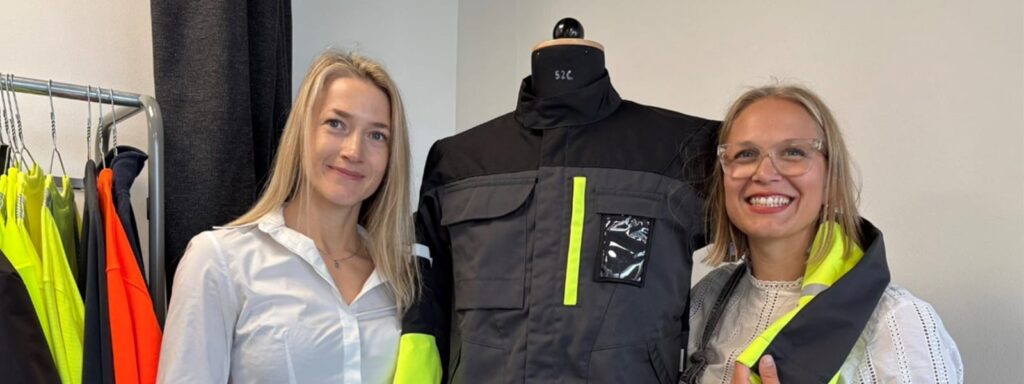
What does a workwear designer do? Lindström designers Jenny Selroos and Karmen Lond explain the inner workings of workwear design.

The term circular textiles is becoming increasingly familiar, but what does it actually mean? In simple terms, a circular textile system aims to keep garments...
Know how modern workwear procurement improves compliance, garment traceability, hygiene and inventory efficiency in pharma and food processing.