
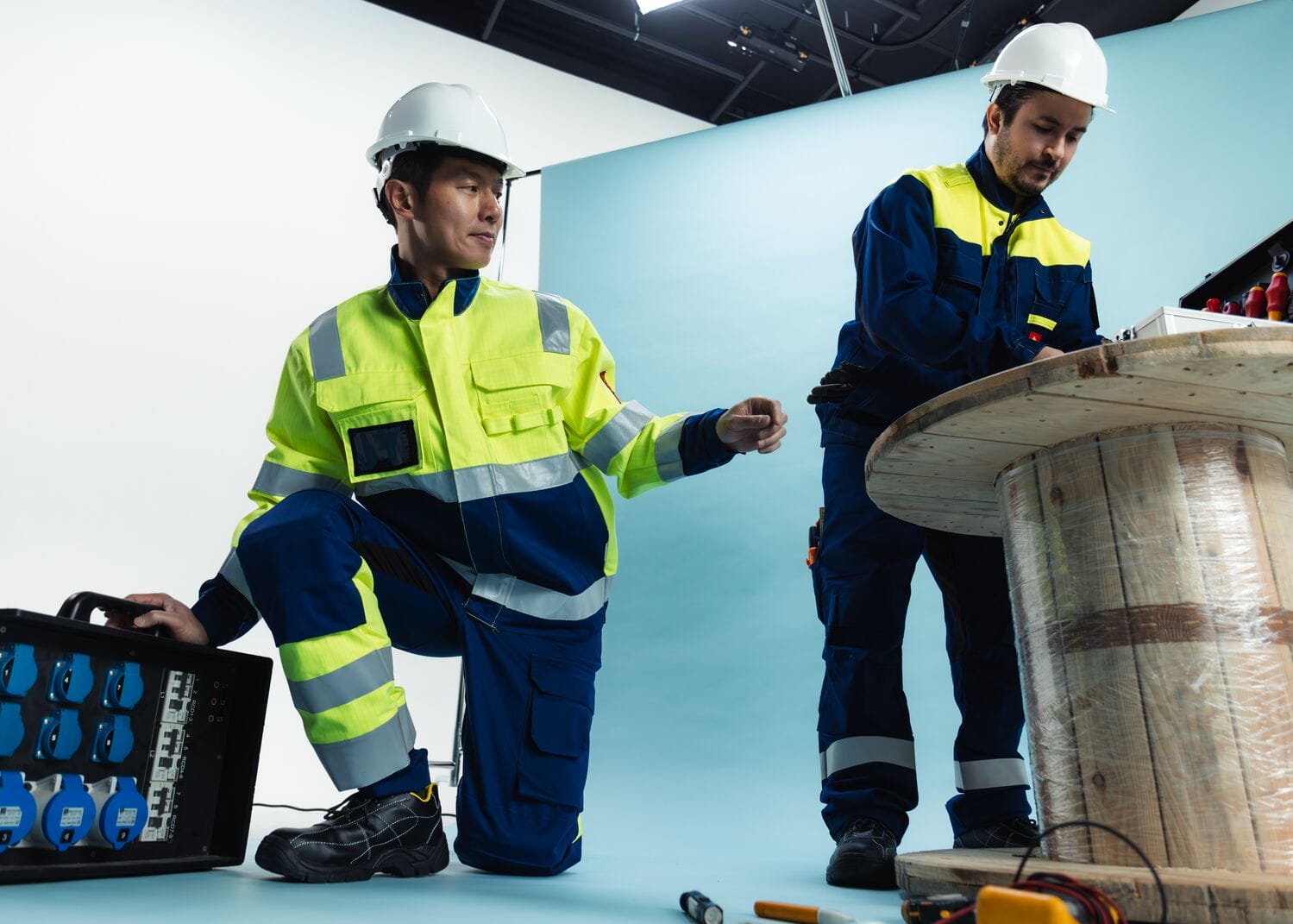
How repeated industrial laundering can affect FR suit fit and protective coverage?
An FR suit is an important part of workplace protection for employees exposed to flames, heat, sparks and other identified thermal hazards. However, selecting appropriate flame-resistant clothing is only the beginning. Maintaining its protective performance throughout its service life is equally important. In manufacturing environments, protective garments are regularly exposed to dirt, industrial oils, repeated movement and laundering. While cleaning removes contaminants, inappropriate washing conditions or repeated wear may affect garment dimensions, fabric condition and overall suitability.
For industrial manufacturers, understanding how laundering influences FR suit performance helps maintain consistent protection, manage replacement decisions and support responsible workwear management.
1. How industrial laundering affects FR suit fit and fabric condition?
Industrial laundering is essential for maintaining clean protective clothing, but the washing and drying process must be appropriate for the garment’s material and construction. Repeated washing does not automatically reduce an FR suit’s flame resistance. However, unsuitable processing conditions, mechanical wear and incorrect drying methods may affect garment condition and performance.
Fabric shrinkage and dimensional stability:
Certain fabrics may shrink when exposed to unsuitable washing temperatures, mechanical action or excessive drying heat. An FR suit that initially fits correctly may become restrictive if its dimensions change significantly.
Shrinkage can affect:
- Sleeve length and wrist coverage.
- Trouser length and overlap with safety footwear.
- Movement around shoulders and knees.
- Garment coverage during bending, stretching or climbing.
- Compatibility with other protective equipment.
For example, a maintenance technician working overhead may experience reduced wrist coverage if the sleeves have shortened considerably. This is why manufacturers should evaluate dimensional stability before approving garments for repeated industrial laundering. The ISO 15797 standard describes industrial washing and finishing procedures used to evaluate workwear characteristics, including dimensional stability and appearance.
Fabric wear and garment construction:
Repeated use and cleaning can also contribute to fabric abrasion and wear around high-contact areas. Seams, closures, pockets and reinforced sections require attention because they contribute to the garment’s overall protective coverage. A fabric may retain its flame-resistant characteristics while the finished garment becomes unsuitable because of excessive wear or damaged construction.
2. Can repeated washing affect the protective performance of an FR suit?
The effect of laundering depends on the FR suit’s material, construction, protective specifications and the cleaning process used. Some flame-resistant fabrics rely on fibers with inherent flame-resistant characteristics, while others obtain their properties through specialized textile treatments. The durability of the required protection must be established for the particular garment rather than assumed from its fabric description.
Why appropriate washing methods matter?
Protective clothing should always be cleaned according to the manufacturer’s instructions.
Important considerations include:
- Washing temperature: Avoid conditions outside the garment’s approved care requirements.
- Cleaning chemicals: Use detergents and treatments compatible with the protective material.
- Drying conditions: Prevent excessive heat or overdrying that could affect dimensions or construction.
- Contamination removal: Ensure flammable substances and other relevant contaminants are adequately removed.
- Inspection: Identify garment damage before returning clothing to circulation.
Flammable contamination is particularly important. Oils, fuels or other substances remaining on a garment may create additional hazards even when the underlying fabric has flame-resistant properties. The ASTM F1449 guide addresses industrial laundering, garment maintenance and the removal of potentially flammable contaminants from flame-resistant protective clothing.
Why garment certification still matters?
Protective clothing should meet the requirements applicable to its intended workplace hazards. For example, ISO 11612 specifies minimum performance requirements for clothing designed to protect against heat and flame. However, certification of a new garment should not be interpreted as permission to use it indefinitely.
Manufacturers need to consider the garment’s approved care instructions, relevant cleaning limitations, condition and continuing suitability. FR suits should also not automatically be considered suitable for electric-arc, molten-metal or chemical hazards unless the relevant protective performance has been established.
3. What should manufacturers inspect after laundering an FR suit?
Garment inspection is important because laundering alone does not establish whether protective clothing remains suitable for use.
A structured inspection process can help identify garments requiring further assessment, authorized repair or replacement.
| Inspection area | What to check | Potential concern |
|---|---|---|
| Fabric condition | Tears, thinning, holes or excessive abrasion | Reduced garment integrity |
| Garment dimensions | Noticeable shrinkage or changes in fit | Inadequate protective coverage |
| Seams and stitching | Loose, damaged or broken stitching | Weaknesses in garment construction |
| Closures | Damaged zippers, buttons or fastenings | Difficulty maintaining proper coverage |
| Contamination | Persistent oil, grease or other hazardous residues | Potential additional fire or exposure risks |
| Labels and identification | Legibility of care instructions and protective markings | Difficulty verifying garment suitability |
Manufacturers should establish inspection and rejection criteria appropriate to the garment’s intended use. Not every visible defect can be repaired without affecting protective performance. Repairs and alterations should therefore follow approved methods using suitable materials and components.
Garments that no longer meet the required acceptance criteria should be withdrawn from protective use, as maintaining appropriate flame-resistant clothing is essential for ensuring reliable protection against workplace thermal hazards.
4. Why FR suit maintenance should be based on condition and performance?
A common question is how many times an FR suit can be washed before it requires replacement. There is no universal wash-cycle limit that applies to every flame-resistant garment. Service life depends on several factors, including garment design, fabric characteristics, manufacturer instructions, industrial exposure and maintenance conditions.
Factors influencing garment lifespan:
Industrial manufacturers should consider:
- Frequency and intensity of garment use.
- Exposure to oils, chemicals and other contaminants.
- Approved laundering and drying procedures.
- Physical wear during everyday activities.
- Garment inspection results.
- Manufacturer-specified limitations and replacement criteria.
Where maximum cleaning-cycle limits or other conditions are specified, they must be followed. An effective garment program should not rely on wash-cycle counts alone. Physical condition, documented limitations and required protective performance must also inform replacement decisions. This approach helps prevent premature disposal while ensuring that damaged or unsuitable protective clothing is not returned to service.
5. How to evaluate FR suit rental service providers for industrial manufacturing facilities?
Managing flame-resistant protective clothing across a manufacturing workforce can involve garment allocation, collection, laundering, inspection, maintenance and replacement. For organizations with multiple departments or production shifts, these responsibilities can become complex. An FR suit rental service provider should therefore be evaluated on more than garment availability or delivery schedules.
Key factors to consider when selecting a service provider
| Evaluation factor | What manufacturers should verify |
|---|---|
| Garment suitability | Whether the available FR suits meet the identified workplace hazards and protective specifications |
| Industrial laundering | Whether cleaning methods are compatible with the garments’ approved care requirements |
| Garment inspection | How damaged or unsuitable garments are identified |
| Repairs and replacements | Whether maintenance procedures preserve required protective characteristics |
| Size availability | Whether employees can receive correctly fitting protective clothing |
| Service reliability | Whether agreed collection and delivery arrangements support operational needs |
| Documentation | What garment identification, maintenance and service records are available |
| Sustainability practices | How garment lifespan, resource use and end-of-life handling are managed |
Why a managed service can support garment consistency?
A structured textile service can help manufacturers maintain an organized garment circulation process. Collection and delivery schedules controlled laundering arrangements and maintenance procedures can reduce the administrative work involved in managing protective clothing. However, manufacturers should confirm that the provider can support the specific flame-resistant protective garments required, rather than assuming that all standard workwear services include identical FR capabilities. The business remains responsible for its workplace risk assessments and ensuring employees receive suitable protective equipment.
6. How responsible FR suit maintenance supports sustainability?
Sustainability in protective workwear involves more than choosing a durable fabric. It also requires responsible decisions about garment use, maintenance, replacement and end-of-life handling. For an FR suit, extending service life can be beneficial when the garment continues to meet its required protective specifications.
Extending usable garment life:
Appropriate laundering and approved maintenance can help preserve garments that remain suitable for use. This can reduce unnecessary early replacement and avoid discarding garments because of minor issues that can be safely addressed. However, sustainability should never take priority overprotective performance. Garments that no longer meet safety requirements must be withdrawn from service, even if their appearance remains acceptable.
Reducing unnecessary textile waste:
A managed workwear model can support more efficient garment allocation and replacement planning.
Potential benefits include:
- Avoiding unnecessary overstocking.
- Maintaining garments through appropriate care.
- Repairing garments only where technically permitted.
- Replacing unsuitable garments based on approved criteria.
- Directing withdrawn textiles towards suitable recovery or disposal routes.
Flame-resistant PPE may have restrictions on reuse, recycling or disposal, depending on its materials and contamination history. It should not automatically be treated like ordinary textile waste.
Considering water, energy and transportation:
Repeated laundering consumes water, energy and cleaning resources. Transportation and garment manufacturing also contribute to environmental impacts. Sustainability performance should therefore be considered across the textile lifecycle rather than judged only by the number of times a garment is reused. Industrial laundry providers can support this approach through efficient processing, appropriate resource management and planned delivery arrangements.
For example, Lindström’s circular textile approach includes repairing and reusing garments, optimizing laundry resources and seeking suitable end-of-life recycling opportunities. The environmental outcome for a particular FR suit program depends on its garments, service arrangements and operational conditions.
7. Building a practical FR suit maintenance program:
An effective FR suit maintenance program should connect procurement, workplace safety and textile service management.
Before introducing or reviewing a program, manufacturers should establish the following:
- Identify protective requirements: Select garments according to the workplace risk assessment and applicable performance standards.
- Verify laundering compatibility: Confirm that the cleaning process matches the manufacturer’s instructions.
- Define inspection procedures: Establish suitable criteria for identifying damage, contamination and fit problems.
- Control repairs and alterations: Allow only maintenance that preserves required protective performance.
- Establish replacement decisions: Remove garments that fail applicable acceptance criteria.
- Review service performance: Monitor recurring defects, garment availability and maintenance issues.
- Consider lifecycle impacts: Avoid unnecessary replacement without extending use beyond safe limits.
Regular communication between EHS teams, procurement and textile service providers helps keep protective clothing requirements aligned with manufacturing operations.
Conclusion:
Repeated industrial laundering is an important part of FR suit management, but its effectiveness depends on using suitable cleaning processes and maintaining garment integrity. Incorrect washing conditions, excessive shrinkage, remaining contaminants or damaged construction can affect whether a protective suit remains suitable for its intended purpose. By combining appropriate laundering, regular inspection, approved maintenance and timely replacement, industrial manufacturers can support worker protection while managing garment resources responsibly. A structured workwear rental service can support garment collection, laundering, maintenance and replacement, with FR-specific requirements agreed according to the manufacturer’s protective clothing needs.
Frequently Asked Questions:
Is there a maximum number of times an FR suit can be washed?
There is no single maximum washing limit applicable to every FR suit. Some garments have manufacturer-defined cleaning-cycle limits or other maintenance restrictions. Manufacturers should follow those requirements and evaluate garment condition rather than assuming all protective suits have the same lifespan.
Can employees wear ordinary synthetic clothing underneath an FR suit?
The suitability of underlying clothing depends on the workplace hazards and the complete protective clothing system. Certain synthetic materials can melt or behave dangerously during thermal exposure. Employees should follow their employer’s approved clothing requirements and the FR suit manufacturer’s instructions rather than assuming ordinary synthetic garments are suitable.
Can company logos or employee names be added to an FR suit?
Logos, embroidery and identification patches may be permitted when compatible with the garment’s protective specifications. However, unsuitable materials or unauthorized alterations could affect garment performance. Manufacturers should obtain approval from the protective clothing supplier before making modifications.
How should FR suits be managed for temporary workers and contractors?
Temporary workers and contractors should receive appropriately sized protective garments suitable for their assigned tasks. Employers should also establish procedures for garment issue, inspection, collection and return. Protective suits should not be transferred between employees without the required cleaning and suitability checks.
What should happen if an FR suit’s care label or certification marking becomes unreadable?
If the required identification or care information can no longer be verified, the garment should be held from use until its specifications and suitability are confirmed. Replacement may be necessary when the information cannot be reliably recovered or the garment no longer meets the applicable requirements.
Can an FR suit be reused after exposure to a flash fire or molten metal?
An FR suit exposed to a significant thermal incident should be removed from use and assessed under the employer’s protective clothing procedures. Visible damage is not the only consideration. The garment manufacturer or an appropriately qualified specialist should determine whether continued use is permitted; otherwise, it should be replaced.
Do FR suits need inspection after long periods in storage?
Yes. Before reissue, stored garments should be checked for contamination, moisture damage, deterioration, missing identification and other conditions affecting suitability. Storage duration alone does not necessarily make an FR suit unsafe, but its condition and compliance with manufacturer instructions should be verified before use.

Related
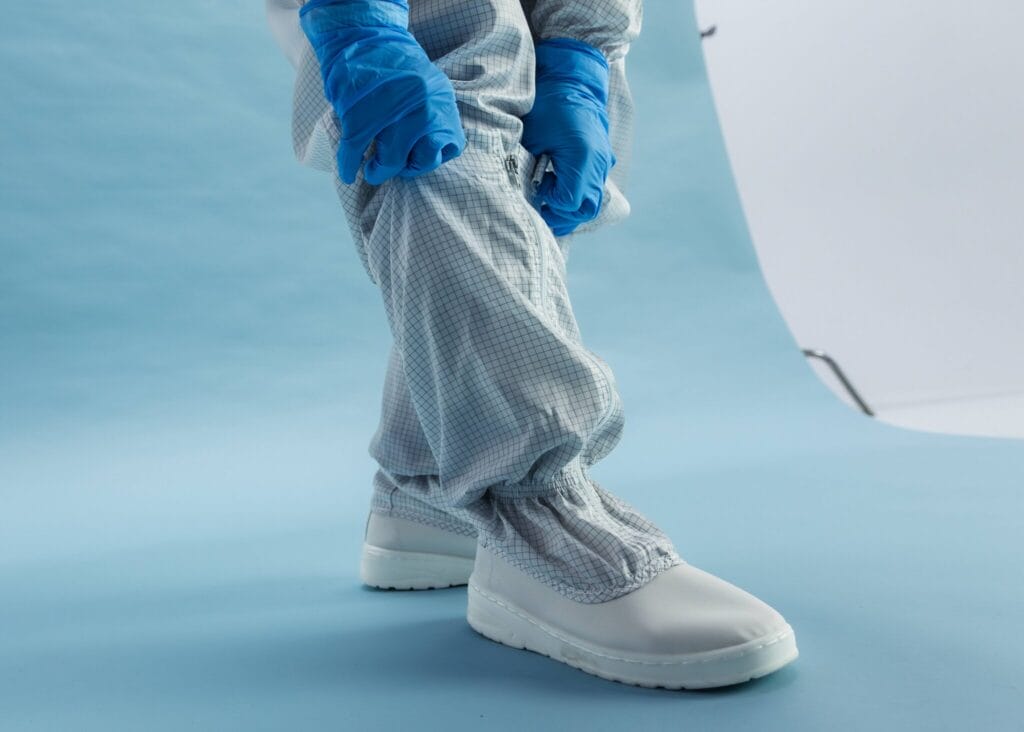
Discover how cleanroom socks support contamination control in pharma, covering EU GMP Annex 1, gowning, fit, laundering and reusable options.
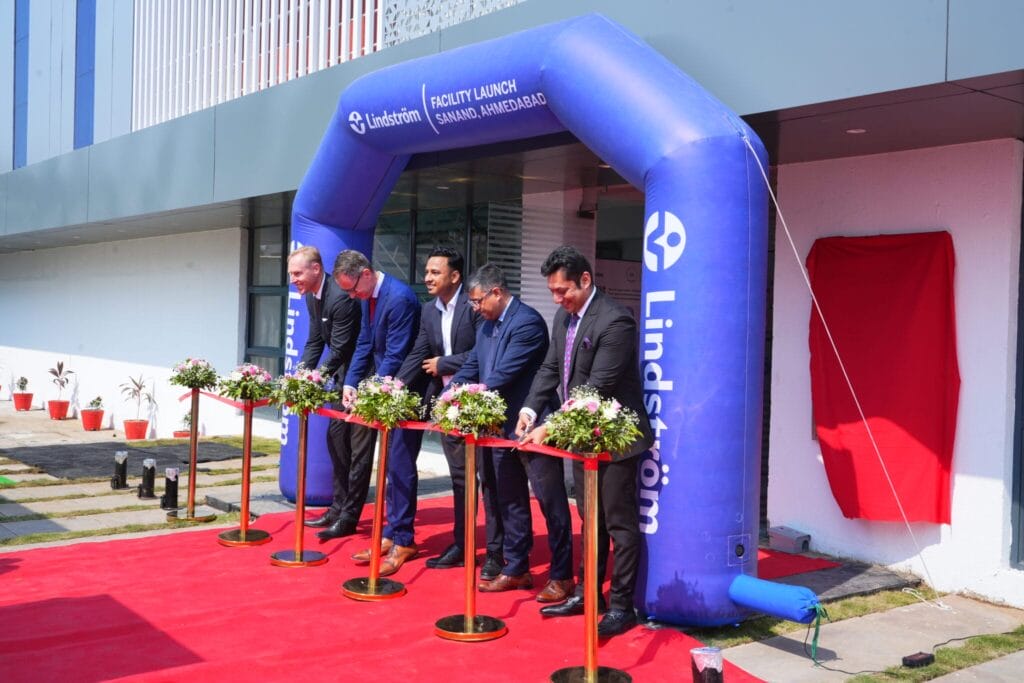
Lindström is strengthening its presence in India by opening a new service facility in Sanand (Ahmedabad) at the centre of the newly developed Semicon Hub.

Improve garment handovers in pharmaceutical cleanrooms with practical tips on shift planning, deliveries, quality checks and service coordination.