
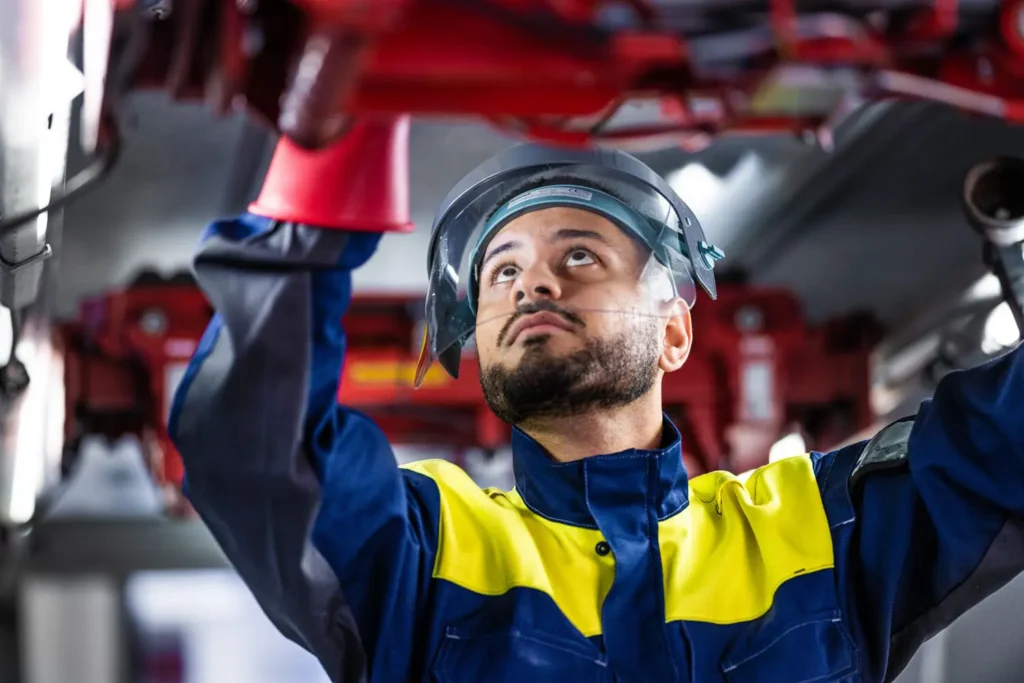
Ergonomic designs, lightweight materials, and breathable fabrics reduce strain, helping workers stay comfortable and alert during long shifts.

03.03.2026
Choosing Factory Workwear for Safety, Comfort and Efficiency
Factory workwear plays a far bigger role than many businesses realize. It protects workers from daily hazards, supports productivity during long shifts, ensures regulatory compliance, and influences overall operational efficiency. When selected carefully, factory workwear becomes a strategic investment rather than just a uniform expense.
In modern manufacturing environments, companies must balance safety standards, seasonal adaptability, ergonomic comfort, and sustainable management. Getting this balance right leads to safer workplaces, lower long-term costs, and better employee performance.
Why Factory Workwear Is a Critical Business Decision:
Every factory environment presents unique risks. Workers may face exposure to heat, sharp materials, chemicals, heavy machinery, electrical hazards, or low-visibility conditions. The primary purpose of factory workwear is to create a protective barrier between those risks and the employee.
However, effective factory workwear does more than prevent injuries. It also:
- Improves worker confidence and morale.
- Supports compliance with safety regulations.
- Reduces fatigue during physically demanding tasks.
- Enhances productivity and focus.
- Contributes to sustainability goals.
Choosing the right factory workwear requires careful planning — not simply selecting durable garments.
Meeting Safety Standards with the Right Factory Workwear:
Safety compliance should always be the starting point. Before investing in factory workwear, conduct a detailed workplace risk assessment.
Step 1: Identify Workplace Hazards
Consider whether employees are exposed to:
- Heat, sparks, or molten materials.
- Mechanical risks such as cuts or abrasion.
- Chemical splashes or contamination.
- Static electricity or arc flash hazards.
- Low-light or high-traffic work zones.
The specific risks determine the type of factory uniform required — whether flame-resistant, high-visibility, anti-static, chemical-resistant, or cut-protective.
Step 2: Confirm Certifications and Standards
Factory workwear must comply with recognized safety standards applicable to your region and industry. Certified garments provide documented proof of protection levels, which is essential during audits and inspections.
Compliance is not only about meeting legal requirements — it demonstrates responsibility toward employee wellbeing.
Step 3: Ensure Proper Fit and Ergonomic Design
Even the most protective factory workwear can fail if it does not fit properly. Loose clothing may create entanglement risks, while tight garments restrict movement and increase fatigue.
Modern factory workwear solutions increasingly include:
- Ergonomic tailoring.
- Stretch panels in high-movement areas.
- Inclusive sizing options.
- Adjustable features for improved comfort.
Proper fit enhances both safety and long-term performance.
Seasonal Factory Workwear: Protection in Every Climate
Factory conditions change throughout the year. Without seasonal adaptation, factory workwear can become uncomfortable or even unsafe.
- Factory Workwear for Warm Conditions: In hot environments, overheating leads to dehydration, reduced concentration, and higher accident risk. Breathable factory workwear designed with lightweight, moisture-wicking fabrics helps regulate body temperature. Ventilation features and advanced textile technologies improve airflow while maintaining durability and protection.
- Factory Workwear for Cold Conditions: Cold storage facilities and outdoor production sites require insulated factory workwear that maintains warmth without restricting mobility. Layered systems are particularly effective, allowing workers to adjust clothing throughout the shift.Thermal linings, wind-resistant materials, and flexible insulation ensure protection while preserving dexterity.
Seasonally appropriate factory workwear helps maintain consistent productivity, regardless of climate.
Reducing Worker Fatigue Through Advanced Factory Workwear:
Fatigue is one of the most significant yet preventable contributors to workplace accidents. The physical nature of manufacturing demands clothing that works with the body — not against it.
Advanced factory workwear integrates ergonomic principles to reduce strain.
Pre-shaped sleeves and articulated knees support natural movement. Stretch fabrics allow flexibility during lifting, bending, and repetitive tasks. Lightweight protective materials reduce unnecessary physical load.
Breathability also plays a vital role. When factory workwear manages moisture effectively, workers stay drier and more comfortable, even during long shifts.
Reducing fatigue results in:
- Improved concentration.
- Fewer errors.
- Lower injury rates.
- Higher productivity.
Factory workwear designed for comfort directly supports operational efficiency.
Improving Efficiency with Circular Factory Workwear Services:
Beyond protection and comfort, managing factory workwear efficiently is crucial. Purchasing garments outright and handling washing, repairs, and replacements internally can strain resources.
Circular factory workwear services offer a more structured approach.
In a circular model, garments are supplied as part of a managed program that typically includes:
- Rental or leasing options.
- Professional laundering.
- Routine inspection and maintenance.
- Timely repairs and replacement.
- Responsible end-of-life recycling.
This lifecycle approach ensures factory workwear remains compliant and functional while reducing textile waste.
Benefits of Circular Factory Workwear Management:
- Continuous compliance assurance.
- Extended garment lifespan.
- Predictable operational costs.
- Reduced environmental impact.
- Streamlined inventory control.
For businesses focused on long-term efficiency and sustainability, circular factory workwear programs provide both operational and environmental advantages.
Integrating Safety, Comfort and Efficiency:
The most effective factory workwear strategy combines three core elements:
- Certified protection against workplace hazards.
- Ergonomic and seasonal comfort for consistent performance.
- Structured lifecycle management for cost control and sustainability.
When these elements align, factory workwear becomes a performance driver — not just protective clothing.
The Future of Factory Workwear:
The factory workwear industry continues to evolve. Innovations include:
- Stronger yet lighter textile materials.
- Smart fabrics with monitoring capabilities.
- Improved durability and repairability.
- Enhanced sustainability certifications.
- Digital tracking systems for garment management.
As manufacturing modernizes, factory workwear is increasingly viewed as part of a broader safety, productivity, and ESG strategy.
Conclusion:
Choosing factory workwear for safety, comfort and efficiency requires a holistic approach. From meeting safety standards and adapting to seasonal conditions to reducing fatigue and implementing circular service models, every element contributes to workplace performance. High-quality factory workwear protects employees, strengthens compliance, improves productivity, and supports sustainability goals. When managed strategically, it becomes a long-term investment in both people and operational success.
Guaranteed Safety, Compliance & Reliability
Why Rent? We’ll manage your Factory workwewar—so you can focus on your core business.
Frequently Asked Question:
add
What is factory workwear?
Factory workwear refers to protective clothing designed for manufacturing environments to reduce workplace risks and ensure safety compliance.
add
Why is factory workwear important?
Factory workwear protects workers from hazards such as heat, chemicals, and mechanical risks while improving comfort and productivity.
add
How do I choose the right factory workwear?
Start with a workplace risk assessment, ensure garments meet safety standards, prioritize ergonomic design, and consider seasonal conditions.
add
What are the benefits of circular factory workwear services?
Circular services provide professional laundering, repairs, compliance assurance, cost predictability, and improved sustainability.
add
How does factory workwear reduce worker fatigue?
add
What is the difference between factory workwear and PPE?
Factory workwear refers to protective clothing worn daily in industrial environments, while PPE (Personal Protective Equipment) includes specific protective items such as helmets, gloves, goggles, and respirators. In many cases, factory workwear forms part of a broader PPE strategy.
add
How does factory workwear impact workplace culture?
Professional factory workwear can strengthen team identity, reinforce safety culture, and create a sense of belonging. When employees feel equipped and protected, it builds trust between management and staff.

Related

Patient experience and employee well-being – pillars of private healthcare
Patient experience and employee well-being are crucial for private healthcare clinics, learn the best practices to improve them.

Cleanroom gowns: The shift from disposables to reusables
One reusable gown replaces 60+ disposable cleanroom gowns. How do reusables improve hygiene and cut costs, sustainably for pharma companies?

ESD coat in India: the central garment in your ESD control programme
What is an ESD coat, how is it different from a normal lab coat, and how should Indian factories select and maintain ESD coats for quality and compliance?
