
Category: Articles
Showing 1 - 9 of 343 results
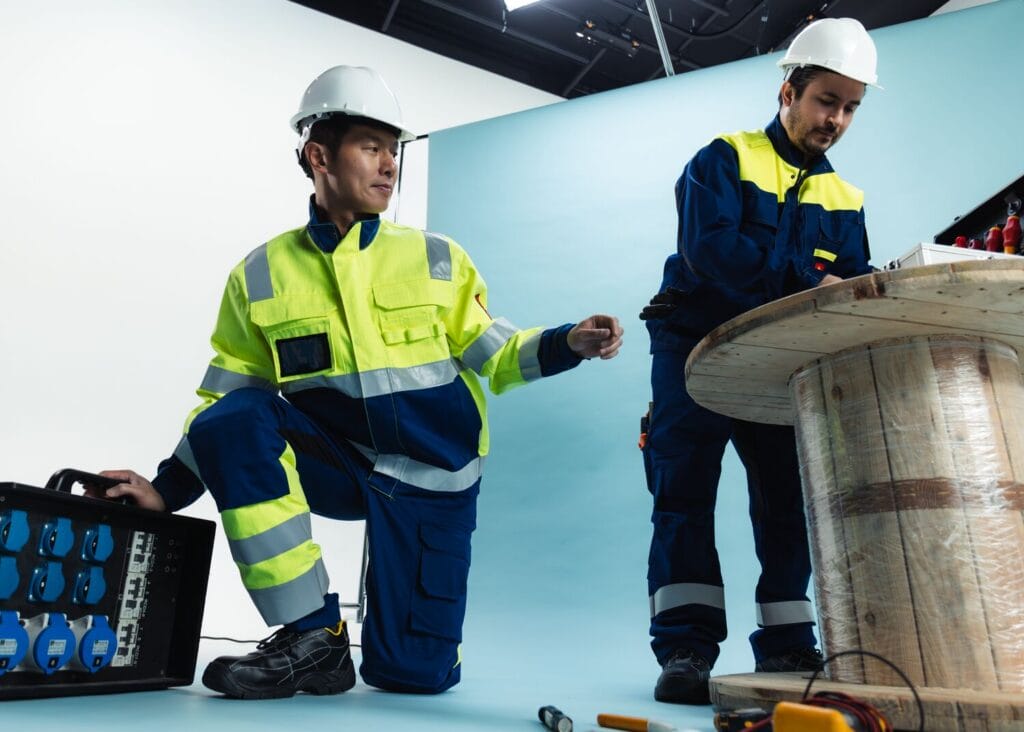
Heat resistant cloth and heat stress: balancing thermal protection with employee comfort
Working in high-temperature industrial environments presents two important challenges: protecting employees from external heat and preventing excessive heat build-up within the body. Heat resistant cloth...
What makes a fabric flame resistant? Understanding protective performance
In industrial manufacturing, protective clothing must do more than withstand everyday wear. Employees working around heat, flames and high-temperature processes may need garments made from...
How repeated industrial laundering can affect FR suit fit and protective coverage?
An FR suit is an important part of workplace protection for employees exposed to flames, heat, sparks and other identified thermal hazards. However, selecting appropriate...
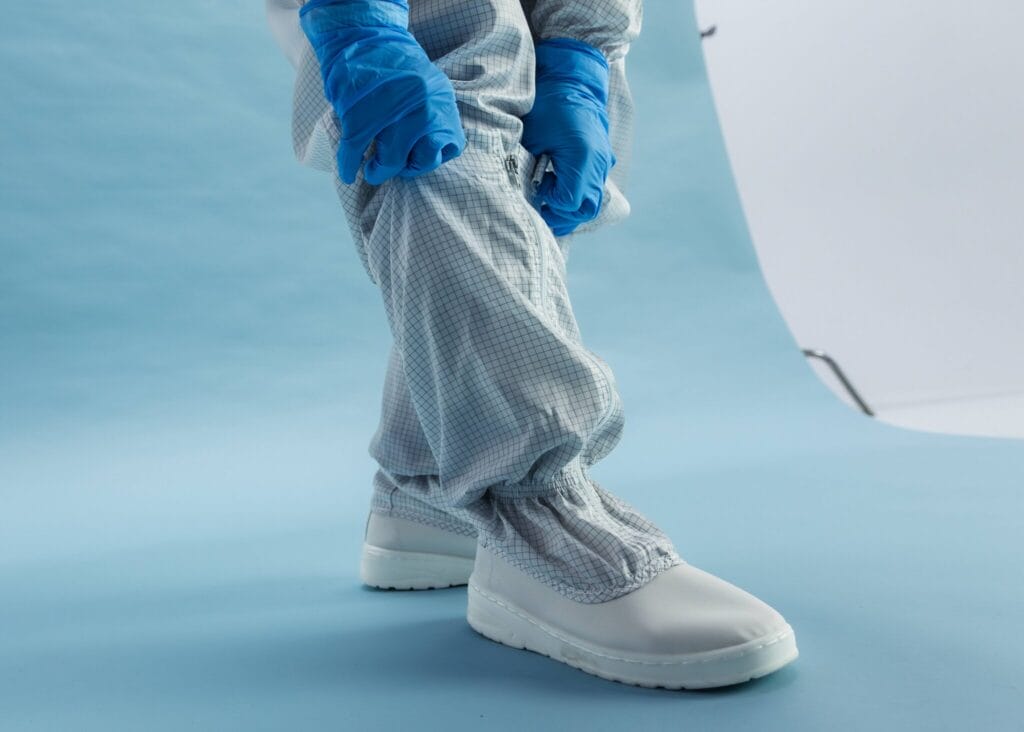
How cleanroom socks fit into a pharmaceutical contamination control strategy?
In pharmaceutical manufacturing, contamination control extends beyond cleanroom garments, gloves and footwear. Cleanroom socks also play a role in maintaining controlled gowning practices and reducing...
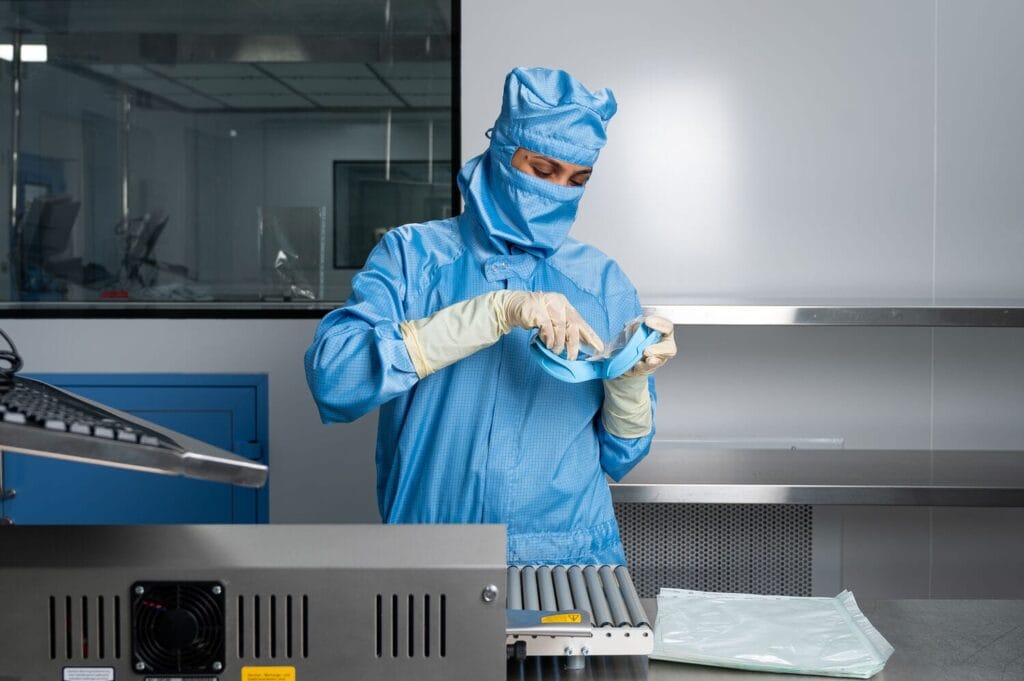
Pharmaceutical Cleanrooms: A practical guide to garment service handover
In pharmaceutical cleanrooms, garment management involves several teams working together to maintain an organised supply of suitable clothing. Even when garments are professionally processed, delays...
FR Clothing in the Automotive Industry: Where is it commonly used?
Automotive manufacturing involves much more than assembling vehicles. From welding and metal fabrication to maintenance, electrical systems and component production, employees work in environments where...
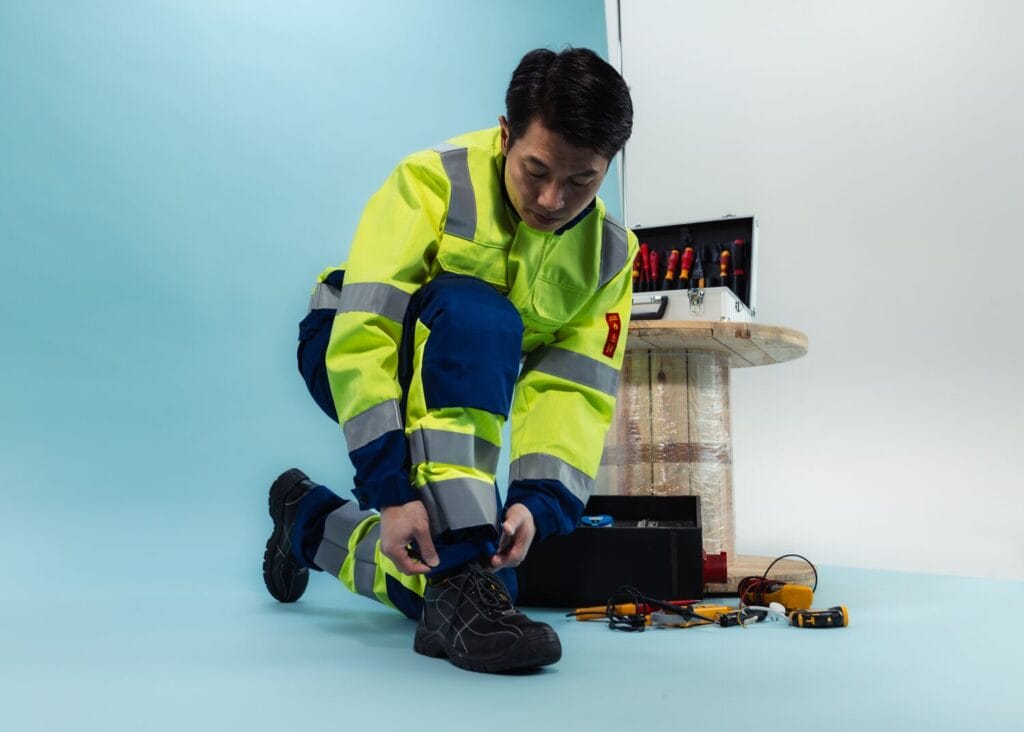
Flame resistant clothing: how to choose the right protection for your team?
When employees work around heat, sparks, flames or other thermal hazards, their workwear has an important job to do. But choosing flame resistant clothing isn’t...
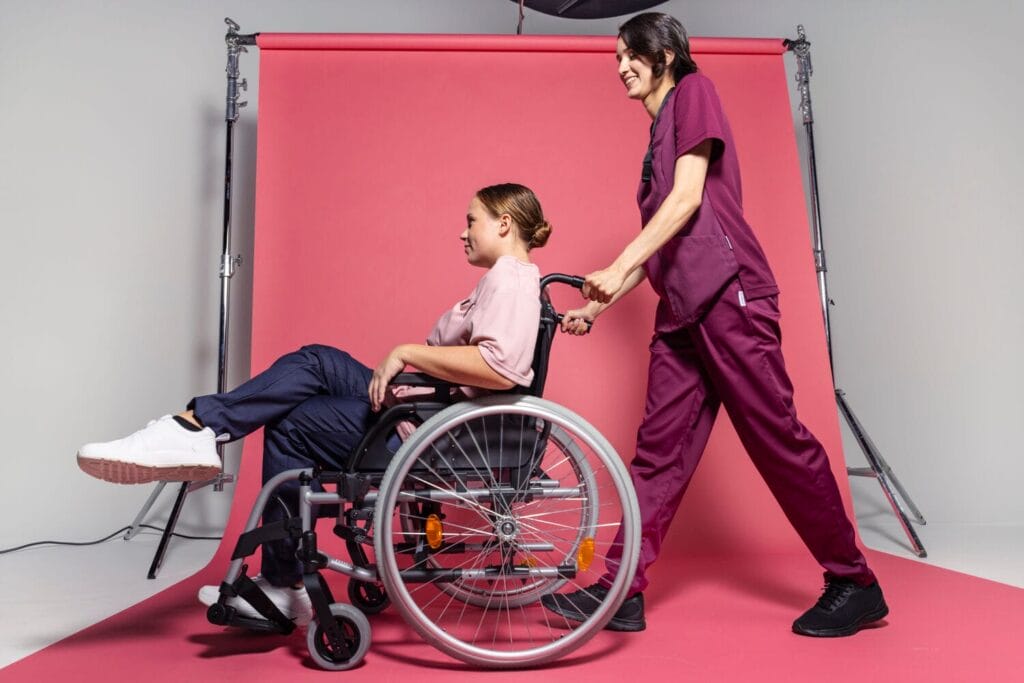
Hospital staff uniforms: what to consider when choosing workwear?
A hospital staff uniform has to cope with a demanding working environment. Healthcare employees move constantly, work closely with patients and need clean workwear available...
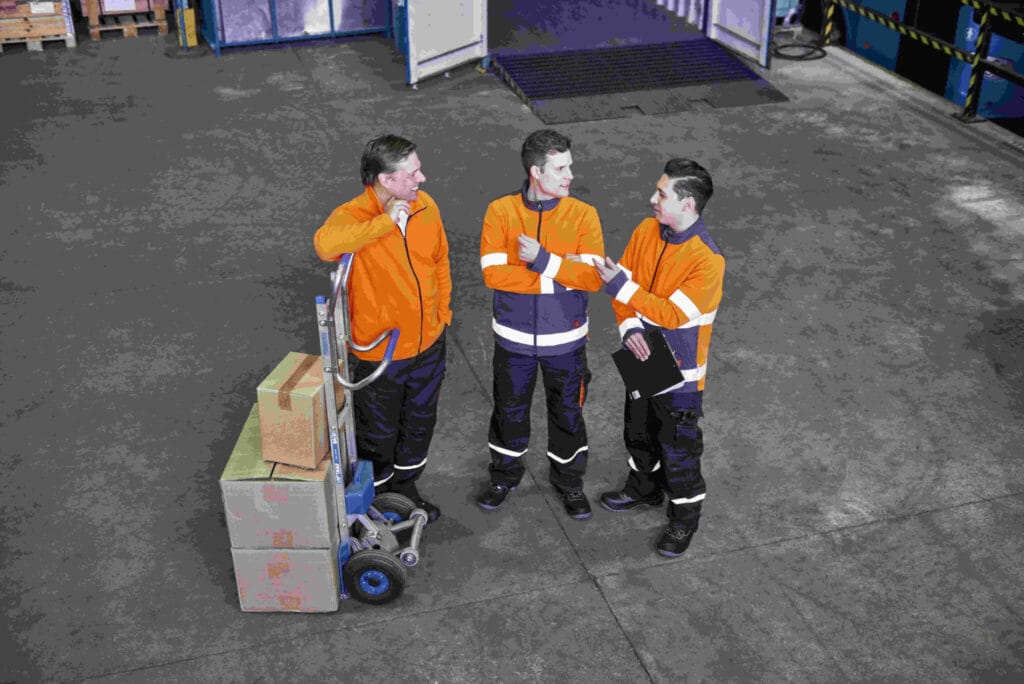
Planning a garments compliance audit around workplace risks
A garments compliance audit checks whether workplace clothing is suitable for its intended task and managed consistently through use, laundering, repair and replacement. Planning starts...
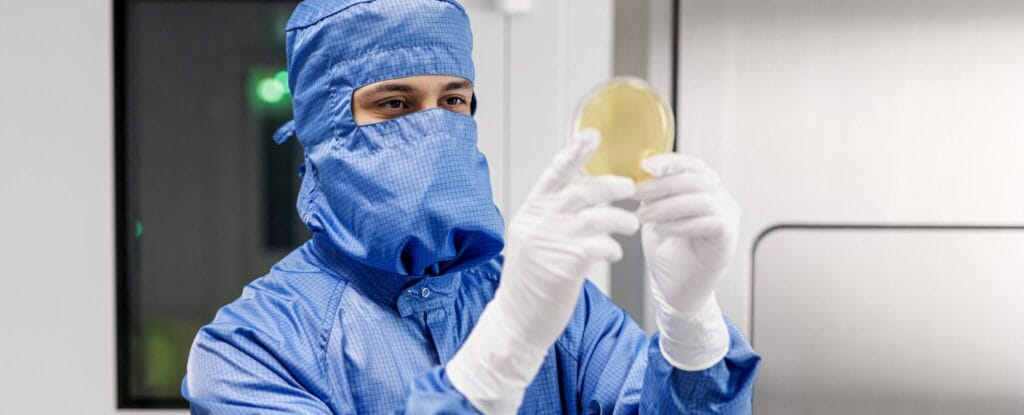
Cleanroom wipes and particle transfer: What happens during wiping?
Cleanroom wipes remove contamination through contact, but the same wiping action can also move particles onto another surface. The result depends on how effectively the...