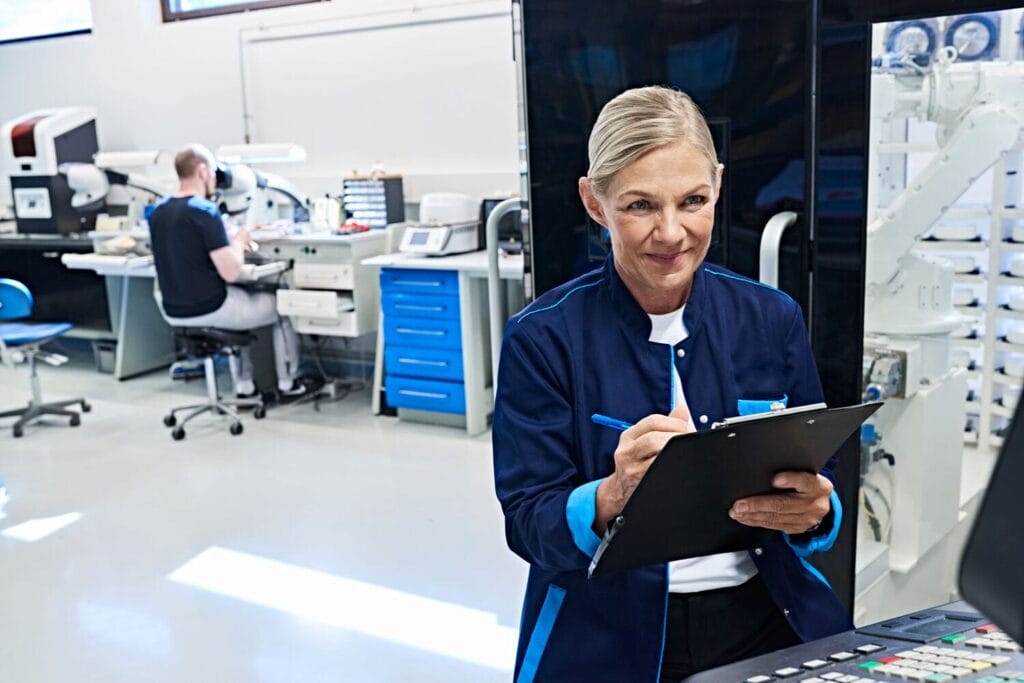
Sustainable Workwear Revolution: Embracing Eco-Friendly Food Factory Worker Uniforms and Management Solutions
Sustainability has quickly become a top priority in virtually every aspect of the food industry. The urgent need to minimize environmental impact has directed the focus towards sustainable practices and innovative solutions. Consequently, this has led us to confront the importance of eco friendly workwear, food factory worker uniforms and uniform management.
Eco friendly workwear is more than a fabric choice. It is a complete approach to selecting durable garments, using resources carefully, extending garment life, repairing where possible and recycling or responsibly handling textiles at end of life.
What is eco friendly workwear?
Eco friendly workwear refers to uniforms and protective clothing designed and managed to reduce environmental impact throughout their lifecycle. This includes responsible material selection, durable garment design, professional laundering, repair, reuse, recycling and smart inventory control.
In food factories, eco-friendly workwear must also support hygiene and compliance. The goal is not simply to choose “green” fabric, but to provide clean, safe and long-lasting uniforms that protect workers, products and the working environment. This is important because food businesses must follow documented food hygiene requirements, including hygiene and sanitary practices that support safe food handling.
Why eco-friendly workwear matters in food factories?
Food factory uniforms have to meet two goals at the same time: they must support hygiene and they must be practical for daily use. Workers may need clean coats, trousers, aprons, head covers, footwear and other garments depending on the production area.
Traditional food factory worker uniforms may seem innocuous, but their environmental impact is not trivial. From non-biodegradable materials that contribute to waste generation to energy-intensive manufacturing processes, the problems are diverse and substantial. This calls for a critical exploration of sustainable material selection and food factory workwear design.
Eco friendly workwear helps food factories by supporting:
- hygiene and food safety routines.
- worker comfort during long shifts.
- reduced textile waste.
- longer garment life.
- better stock control.
- lower replacement frequency.
- repair, reuse and recycling.
- stronger sustainability positioning.
Food businesses in India must maintain documented food safety systems and comply with hygiene requirements under FSSAI licensing expectations. Protective clothing and personal hygiene routines are part of this wider food safety approach.
Eco friendly workwear vs Conventional uniforms:
Conventional uniforms are often managed through a purchase-and-replace model. A company buys garments, stores extra stock, manages washing internally or through separate vendors, and replaces uniforms when they are damaged or no longer usable. This can lead to overstocking, inconsistent laundering, delayed repairs and unplanned textile waste.
Lindström’s eco friendly workwear approach is different. It is based on a managed rental model where uniforms are selected, supplied, laundered, maintained, repaired, replaced and tracked as part of one service. For food factories, Lindström’s rental workwear service provides hygienic workwear suitable for different tasks in the food production line, while the service is based on circular economy principles that reduce textile overproduction and conserve natural resources.
| Factor | Conventional uniforms | Lindström eco friendly workwear |
|---|---|---|
| Uniform model | Buy, use and replace | Rental-based workwear service |
| Stock planning | Extra garments may remain unused | Garments are planned by workforce and task needs |
| Hygiene control | Washing may be inconsistent | Professional laundering supports hygienically clean uniforms |
| Repairs | Damaged garments may be discarded early | Repairs and replacements are part of the service |
| Waste reduction | Disposal is often unplanned | Longer use, repair, reuse and end-of-life handling |
| Inventory | Manual or limited tracking | RFID can support garment visibility |
| Workload | Internal teams manage the process | Lindström manages garment flow |
This makes eco friendly workwear more than a uniform made from sustainable fabric. In Lindström’s model, sustainability comes from the full lifecycle: designing garments for use, keeping them clean and maintained, extending their service life, avoiding unnecessary overproduction and managing textiles responsibly when they reach end of life.
How to choose eco-friendly workwear for food factories?
Before selecting eco friendly workwear, food manufacturers should evaluate the full garment lifecycle, not just the purchase price.
| Selection point | What to check |
| Fabric durability | Can the garment withstand repeated laundering? |
| Hygiene suitability | Is it suitable for food production areas? |
| Comfort | Can workers wear it during long shifts? |
| Fit and coverage | Does it protect workers and reduce contamination risks? |
| Repairability | Can minor damage be repaired? |
| Stock management | Can clean uniforms be available for every shift? |
| Laundry process | Is washing controlled and consistent? |
| End-of-life plan | Can garments be reused, recycled or responsibly discarded? |
Eco friendly workwear should be practical first. If a garment is uncomfortable, unsuitable for the task or difficult to wash, employees may not use it properly. The most sustainable uniform is one that performs well, lasts longer and supports daily hygiene routines.
Sustainable materials and garment lifecycle:
Sustainable food factory uniforms can use different materials depending on workplace risk, hygiene needs and laundering process. Common options include recycled polyester, organic cotton, cotton-polyester blends, plant-based fibers and durable low-waste fabrics.
Material choice should always match the food production environment. Bakery, dairy, meat, fishery, beverage and spice manufacturing teams may need different garment designs and wash routines.
However, sustainable materials alone are not enough. Real sustainability also depends on how uniforms are used, washed, repaired, replaced and handled at end of life. Uniform lifecycle management — including repair, reuse and recycling — helps reduce textile waste while improving operational efficiency.
How does Lindström support eco-friendly workwear management?

Lindström supports businesses with workwear service, food industry workwear, why rent solutions and sustainability-focused textile services. Lindström’s food industry workwear service is designed to provide hygienic workwear that supports comfort, safety and reduced textile waste through a managed rental model.
For food factories, Lindström can help with:
- selecting suitable eco-friendly workwear.
- providing hygienically clean uniforms.
- managing uniform stock and availability.
- professional laundering.
- repairs and maintenance.
- replacements when garments are no longer suitable.
- RFID-based inventory visibility where applicable.
- end-of-life garment handling.
- reducing internal administration.
This helps food manufacturers focus on production while Lindström manages the textile details behind the scenes.
Conclusion:
Emphasizing eco-conscious practices in food factory worker uniforms and uniform management is essential for companies that aim to thrive in today’s competitive and environmentally aware landscape. Lindström has carved a niche as a leader in providing eco-friendly uniform solutions, raising the bar for environmental stewardship in this industry.
Companies that prioritize sustainable workwear choices can strengthen their sustainability positioning, reduce unnecessary textile waste and improve long-term uniform management. Eco friendly workwear is not just about replacing one fabric with another. It is about designing, using, laundering, repairing and recycling uniforms in a smarter way. For food factories, this makes sustainability practical, measurable and aligned with everyday hygiene needs.

Frequently Asked Questions:
What defines eco-friendly workwear?
Eco-friendly workwear is defined by the use of sustainable materials, reduced environmental impact during production, ethical labor practices, and lifecycle strategies such as repair, reuse, and recycling.
How do sustainable uniforms reduce environmental impact?
They reduce reliance on non-renewable fibers, lower water and energy usage in manufacturing, and minimize waste through longer durability and recycling programs.
Are sustainable uniforms as durable as conventional ones?
Yes. Quality sustainable uniforms are engineered for durability and comfort, often outperforming conventional fabrics due to better material choices and superior manufacturing standards.
Do eco-friendly uniforms cost more?
With Lindström’s rental and lifecycle management model, eco-friendly uniforms are designed to be cost-efficient over time. Through professional laundering, maintenance, and repair services, garment lifespan is extended, reducing replacement frequency and overall operational costs while supporting sustainability goals.
How does professional laundering support eco-friendly workwear?
Professional laundering helps extend garment life by cleaning uniforms consistently, supporting repair routines and reducing premature replacement. For food factories, it also helps keep uniforms hygienically clean and available for daily use.
How does eco-friendly workwear support food safety?
Eco friendly workwear supports food safety when uniforms are clean, suitable for the production area and managed through a controlled laundering and replacement process. This helps reduce contamination risks while supporting hygiene routines in food factories.
How can food factories reduce uniform waste?
Food factories can reduce uniform waste by choosing durable garments, avoiding overstocking, repairing garments where possible, using professional laundering and planning responsible end-of-life textile handling.
Is eco-friendly workwear only about sustainable fabrics?
No. Sustainable fabrics are only one part of eco-friendly workwear. The full lifecycle matters, including garment design, laundering, repair, reuse, stock control and responsible end-of-life handling.
How does RFID tracking help eco-friendly workwear management?
RFID tracking can improve visibility over garment usage, stock levels, circulation and replacement needs. This helps businesses avoid overstocking, reduce losses and manage uniforms more efficiently.
Can sustainable workwear improve brand image?
Yes. Consumers increasingly value eco-responsible companies, and sustainable uniforms signal commitment to environmental and social responsibility.

Related
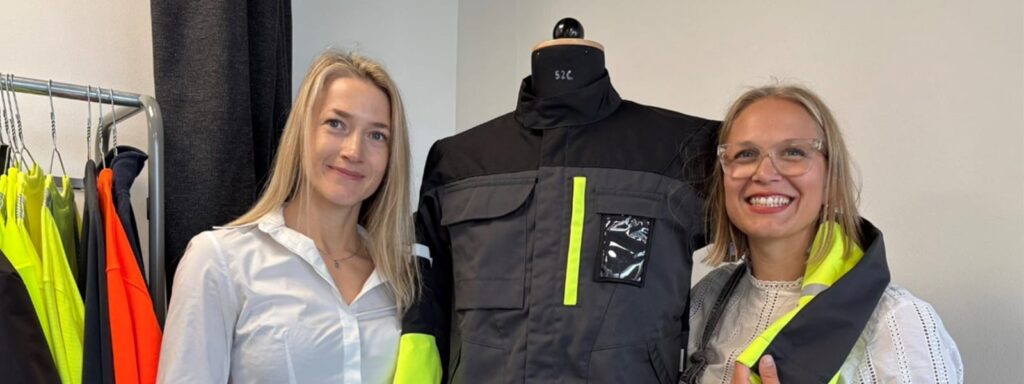
What does a workwear designer do? Lindström designers Jenny Selroos and Karmen Lond explain the inner workings of workwear design.

The term circular textiles is becoming increasingly familiar, but what does it actually mean? In simple terms, a circular textile system aims to keep garments...
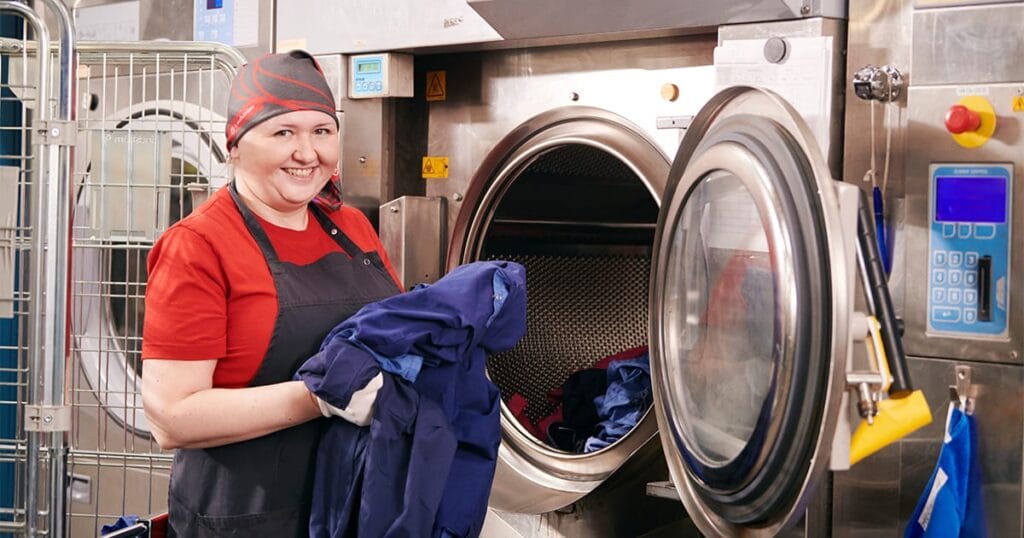
Know how modern workwear procurement improves compliance, garment traceability, hygiene and inventory efficiency in pharma and food processing.