
Side shields reduce exposure from lateral splashes and airborne particles, which are common when working near other people, equipment, or pressurised containers.

24.04.2025
Safety First in Laboratories – The Importance of Eye Protection
Safety technology is crucial in a laboratory, regardless of whether you are moving around strong chemicals and conducting complex experiments, or dealing with dangerous materials, and eye precaution is a basic part of lab safety. Protective eyewear such as eye protection glasses for laboratory and safety goggles for chemistry lab act like safety shields to minimize the chances of some eye injuries. Wearing the correct protective eyewear glasses is not simply about the following procedure. Instead, it is part of the strategy to improve safety and productivity.
Eye protection becomes even more important in fast-paced laboratories where multiple activities happen at the same time—sample handling, chemical transfers, mixing, heating, cleaning, and equipment operation. A small splash, a sudden reaction, or airborne particles can reach the eyes faster than a person can react. Making protective eyewear a daily habit supports consistent safety behaviour across teams, including new staff, interns, and visitors.
Why Eye Protection Is Important in Laboratories?
For chemical and biology laboratories, and even other types of laboratories, there are many eye safety hazards. Protection against chemical splashes, breathing hazardous substances, and particles getting into the eye – all pose a potential treat – making eye protection crucial.
In addition to these hazards, laboratories can include pressurised systems, compressed gases, centrifuges, glassware under stress, and cleaning agents used during maintenance. Even routine steps—opening containers, transferring liquids, or washing equipment—can create unexpected eye exposure risks if protection is skipped.
- Exposure To Chemicals: Many chemicals routinely used in laboratory environments can inflict burns or irritation or can even cause permanent damage to the eyes. Safety goggles for chemistry lab allow nobody to contest those reactions and poured liquids or mist cause extreme droplets and vapours to come to eyeball deep. Chemical exposure is not limited to “big spills.” Small splashes during pipetting, pouring, vortexing, or cleaning can still cause harm. In wet-work areas, eye protection should be worn before handling containers, not after a process begins.
- Impact Protection: Passively flying objects such as shattered glass, stray pieces of debris and even splashes that result from dipping can cause damage to the eye in harsh methods. Expected eye treatment, in this case, would for knowledgeable users be eye protection glasses for laboratories, intended for casual or professionally trained proficient elementary school pupil’s active participants in practice. As such, normal lucid lenses prevent impact. Impact risk can also come from equipment lids snapping shut, broken glass during washing, or fragments from damaged labware. In areas with frequent glass handling, sturdier impact-rated protection and side coverage can help reduce accidental injuries.
- Exposure to UV Light and Other Forms of Illumination: Certain experiments entail the use of ultraviolet light or laser which, without appropriate eyewear, may be detrimental to one’s vision. Eye protection with special coating minimizes these dangers. When UV lamps, transilluminators, or laser sources are present, eyewear should match the wavelength and intensity used. Using general safety glasses in place of specialised protection may leave gaps in protection.
- Preventing Eye Rubbing Contamination: Protective eyewear reduces the likelihood of comparatively unintentional eye rubbing which is a common form of contaminant injection. This is especially relevant in labs where powders, aerosols, fine particulates, or biological materials may be present. Keeping hands away from the face is easier when eyewear acts as a physical reminder and barrier.
Choosing the Correct Protective Glasses for Specific Laboratory Work:
Not all spectacles made for the laboratories serve the same function. Protective goggles and glasses diverge in their usage based on the specific task at hand. Selecting the right protection is easier when you start with the task and the hazard (splash, impact, vapour, UV/laser), then confirm comfort and fit—because uncomfortable PPE is more likely to be removed or worn incorrectly. A good fit also matters for long shifts, preventing pressure points and helping visibility stay clear.
- Goggles for Safety in Chemistry Laboratories: These do not provide any visibility on the sides and are useful when dealing with volatile and corrosive products as well as when strong chemicals are mixed. For higher splash risk tasks (mixing acids/alkalis, decanting solvents, cleaning with strong agents), goggles that seal well around the eyes help reduce exposure from droplets and vapours.
- Glasses That Resist Damage from Impact: For those working in areas where there is a great risk of rough, splintered material, impact resistant lenses are important. In busy laboratories, impact protection can also be relevant near mechanical equipment, moving parts, or areas where items can fall from benches.
- Goggles That Are Vented and Do Not Fog: Fogging can prevent prolonged wearing for most users, Selection of anti-face vented goggles solve the vision problem related to lab work. Managing fog is key to compliance. Anti-fog coatings, controlled ventilation, and correct fit reduce the temptation to remove eyewear during tasks.
- Over The Glasses Options and Prescription: Protective glasses are prescribed. OTG safety goggles provide this need while taking care of the entire face. Where prescription eyewear is common, OTG options or prescription safety eyewear can help avoid gaps at the sides and improve comfort.
- Protection From Ultraviolet Light and Lasers: Specific coatings for the glasses are recommended for use in laboratories with exceptionally strong sources of light to prevent damage to the retina. Labs using UV/laser sources should clearly label zones and ensure appropriate eyewear is readily available at the point of use, not stored far away.
Encouraging a Safety-First Laboratory Orientation:
A strong safety culture improves when eye protection is treated as a normal requirement—like gloves for certain tasks—rather than an optional extra. Consistency across teams helps, especially when senior staff model good practice.
Besides using eye protection glasses for laboratories, creating a mindset that considers safety first is important as well. For the best outcomes, here are some suggestions for supervisors and researchers in the lab:
– Enforced Eye Protection: Create eye protection goggles policies that leave no room for debate.
– Careful Inspection: Adjust protective eyewear maintenance protocols so that goggles are clean and in good condition.
– Training Sessions: Periodically oversee training workshops on the value of eye protection.
– Emergency Preparation: Use eye wash stations and make them available with clean water while the staff is trained on when and how to use them for accidental exposures.
In addition, it helps to define simple rules that teams can follow without confusion—where eyewear must be worn, which type is required for specific tasks, and what to do if goggles are scratched, loose, or fogging. Making eyewear easy to access (near entrances, chemical storage, and wet benches) also supports daily compliance.
Conclusion:
In every laboratory, using eye goggles is a basic duty or responsibility of anyone who performs work in the laboratory. Selecting the appropriate safety goggles for chemistry lab and using them appropriately ensures protective measures are implemented to improve productivity while preventing eye injuries. Incorporating protective eye protection glasses for laboratories into standard operational procedures allows lab staff to protect their eyesight and concentrate on scientific discovery. Protection does not only comply with the rules but is a thoughtful measure taken to protect everyone in the workplace.
Making eye protection part of “how work is done” reduces avoidable incidents and helps teams feel confident during routine and high-risk tasks. When combined with training, maintenance, and emergency readiness, eye protection becomes one of the simplest and most effective lab safety habits.
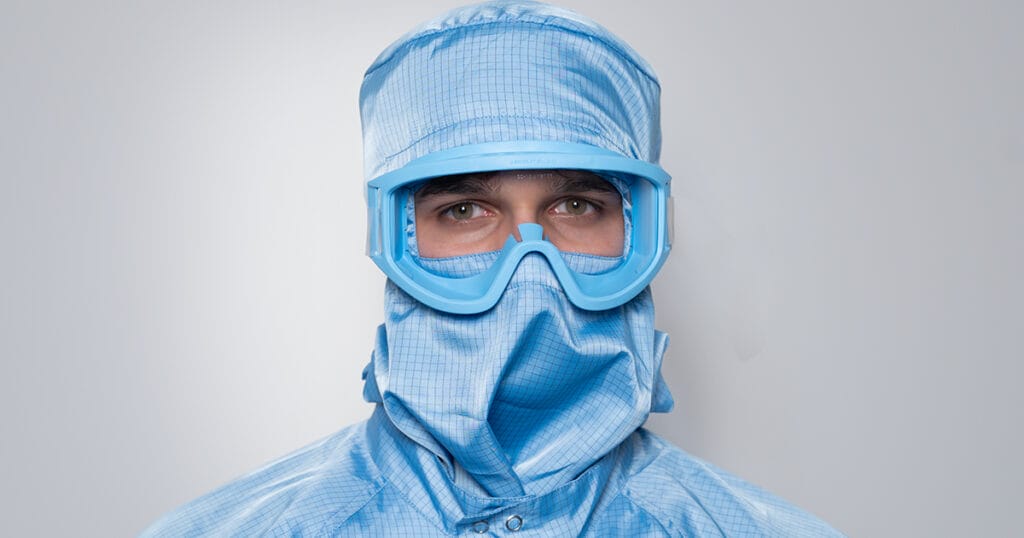
Reusable safety goggles
Partering with Lindström, you'll always have clean and qualitative eye protection goggles for laboratory ready to be used.
Frequently Asked Questions:
add
What’s the difference between safety glasses and chemical splash goggles?
Safety glasses mainly protect against front impact, while chemical splash goggles are designed to seal around the eyes and reduce side exposure from splashes, droplets, and vapours.
add
Do one need eye protection even for small tasks like pipetting or weighing powders?
Yes. Small tasks can still create droplets, aerosols, or dust that reach the eyes—especially during quick movements, spills, or when opening containers.
add
How should one choose the right lens type for lab work?
Match the lens to the hazard: clear for general work, tinted for bright environments, and specialised filters for UV/laser tasks. Always ensure the lens rating fits your lab’s risk assessment.
add
What is the correct way to wear goggles to ensure protection?
Goggles should sit snugly against the face with the strap adjusted so there are no gaps. If they sit too high/low or wobble during movement, the seal is compromised.
add
How often should lab eye protection be replaced?
Replace eyewear when lenses are scratched (reduced visibility), straps lose elasticity, frames crack, coatings wear off, or the seal no longer fits properly.
add
Is face protection still needed if one is wearing goggles?
For higher splash-risk tasks, goggles protect the eyes but a face shield can add protection for the rest of the face. Use both when your procedure requires higher coverage.
add
Why are side shields important in lab eyewear?

Related
A guide to the best eye protection in labs
Learn the importance of eye protection in labs, types of safety goggles, and tips for proper use to ensure safety from chemical splashes and airborne particles.

Avoid this when using safety goggles in chemistry labs
Read key safety tips to avoid common mistakes with goggles in chemistry labs. Ensure proper protection with Lindstrom safety goggles.
