Tears, worn areas, loose seams, broken fasteners, persistent stains/odours, and poor fit. If the garment can’t be cleaned back to an acceptable standard, replace it.
21.08.2024
Food and Beverage Uniforms for Cleanliness and Safety
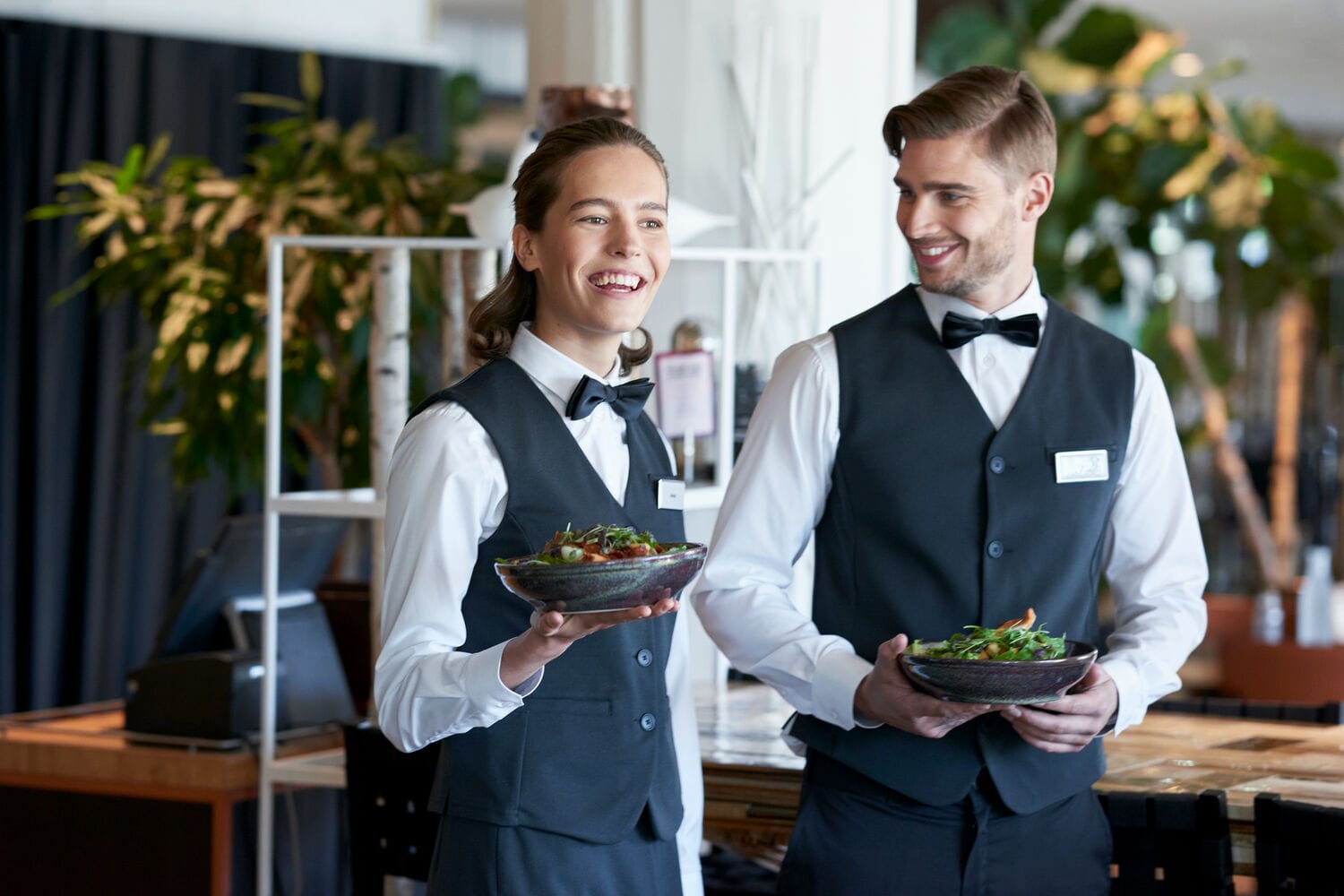
The first thing to do in the food and drink industry is to maintain cleanliness. One of the most important areas that people forget about is the food and beverage uniforms. For example, aprons for restaurant or full uniform sets for kitchen staff are crucial because they ensure cleanliness, safety, and professionalism. In this article, we shall discuss why it is important to have food service clothing and what considerations should be made when choosing them.
In busy kitchens and food handling areas, uniforms also act as a practical barrier between the employee and the product. When teams use the right clothing consistently—and change it when needed—it helps reduce cross-contamination risks and supports smoother daily routines. A clear workwear policy is not only about appearance but also about food safety and operational efficiency.
The Significance of Food service Attire:
- Safeguarding Hygiene: Food and beverage uniforms keeps up good hygiene by preventing contamination between different items used during work hours, including foodstuffs, employees’ street clothes or hair, etc. This is especially important where employees move between storage, preparation, cooking, packing, and service areas. Consistent attire rules make it easier to maintain cleaner handling practices across shifts. Clean aprons, chef coats, caps, and protective garments reduce the risk of bacteria transfer. When food and beverage uniforms are regularly washed and properly stored, they become an essential part of any food safety management system. In environments where raw and ready-to-eat foods are handled, proper uniforms help minimize cross-contamination and support compliance with food hygiene regulations.
- Ensuring Safety: Aprons meant for restaurants help protect against kitchen dangers like burns caused by hot oil; spills from boiling liquids onto skin surfaces; cuts due to sharp objects such knives etcetera thus ensuring staff members’ health safety while undertaking their duties within the establishment premises. Along with aprons, role-based garments (chef coats, sleeves, caps, and appropriate footwear) can support safer work by reducing exposure to heat, splashes, and sharp tools during high-speed operations. By protecting employees, food and beverage uniforms also reduce workplace accidents and help create a safer working environment.
- Professional Look: Uniforms contribute towards presenting a professional image before customers which can greatly influence their perception about your restaurant or bar’s overall quality standards met so far achieved since opening day till now being visited by them this evening after leaving other places where they had been earlier today morning but found nothing worth mentioning except bad experiences encountered thereat till now. A consistent, well-maintained uniform also signals discipline behind the scenes—clean clothing, correct fit, and a tidy appearance reinforce trust in your overall food handling practices. Customers often associate visible cleanliness with food quality, making food and beverage uniforms a key part of brand reputation. Standardized uniforms also strengthen team identity and create a cohesive, organized look across front-of-house and back-of-house staff.
- Meeting Legal Requirements: Failing to provide appropriate outfits may lead one into trouble with the authorities concerned hence it is advisable to always comply fully with Health & Safety regulations if you want things to go smoothly with such bodies tasked with enforcing these rules otherwise non-compliance could result even closure risking lives both workers consumers who frequent those joints regularly unknowingly putting themselves under unnecessary danger. Clear rules for issuing, cleaning, storing, and replacing garments make compliance easier to demonstrate during inspections and audits. A structured uniform management system ensures garments are hygienic, traceable, and replaced when worn or damaged.
Key features of Food Service Clothing:
1. Material Used:
What fabric should be considered when choosing uniforms? It should have the following qualities:
- Ease of Cleaning: It should be able to withstand frequent washing at high temperatures to kill bacteria and remove stains. This matters in real operations because uniforms often face oils, sauces, flour dust, and repeated spills. Fabrics that maintain their look and performance after many wash cycles help keep standards consistent.
- Durability: The kitchen environment can be quite busy hence uniforms made from strong enough material that would not easily get torn apart when subjected to heavy usage. Strong seams and robust fabric reduce downtime caused by damaged garments and help maintain a neat, safe appearance even during peak hours.
- Comfortable: Materials used must allow free flow of air into body parts covered by the garment hence making the wearer feel cool despite being engaged in long shifts within hot areas like around stoves or ovens etcetera. Comfort supports compliance—when clothing feels breathable and fits well, teams are more likely to wear it correctly for the full shift.
2. Design:
Design aspects can improve safety standards achievable while working wearing these clothes:
- For restaurants, aprons should cover well with adjustable straps which provide maximum protection against spills or splashes occurring during food preparation processes done within such establishments. Adjustable straps also help different body types achieve correct coverage, reducing loose ends and improving day-to-day practicality.
- They could come in handy for tools carrying convenience though they need to be placed correctly in order not to contaminate any work surfaces touched by them unknowingly thereafter. Where pockets are used, it helps to define “what goes where” (pens, small tools, order pads) so items don’t migrate into food-contact zones.
- Proper fitting reduces the chances of loose ends meeting equipment that might cause accidents thereby contaminating the ingredients prepared. Good fit also supports easier movement in tight kitchen spaces and reduces snag risk around handles, prep tables, and machinery.
3. Additions:
There are other things that may help enhance cleanliness levels when someone is serving customers eatable drinks:
- Fabrics-treated antibacterial agents help lower germ movement rates among people thus increasing overall sanitation levels. These can be helpful as an additional support, but they work best alongside strong core routines—hand hygiene, correct garment changing, and proper laundering.
- Replacement: They must replace damaged or worn-out uniforms with the aim of maintaining sanitation and safety. A simple replacement rule (for tears, broken fasteners, heavy staining, or worn areas) keeps uniforms reliable and reduces the risk of clothing becoming a weak point in cleanliness and safety.
Why High-Quality Food and Beverage Uniforms Matter for Your Brand and Enhance Customer Experience?
High-quality food and beverage uniforms do more than protect staff—they directly influence customer perception and overall dining experience.
When customers walk into a restaurant, café, hotel, or catering venue, they immediately notice visual cues.
Clean, well-fitted, and professional uniforms communicate:
- Attention to hygiene
- Commitment to quality
- Organizational discipline
- Trustworthiness
First impressions are formed within seconds. If staff members appear neat and coordinated, customers feel more confident about the cleanliness of the kitchen and the safety of the food being served.
High-quality fabrics maintain their structure, color, and appearance even after repeated washing. This ensures that uniforms do not look faded, stretched, or worn out. Consistent presentation strengthens brand credibility.
Premium food and beverage uniforms also improve employee morale. When staff feel comfortable and professional in what they wear, it reflects in their posture, confidence, and interaction with customers. Positive employee presentation enhances the overall guest experience.
In competitive hospitality markets, small visual details can differentiate one establishment from another. High-quality uniforms become part of the brand experience.
The Business Benefits of Renting Food and Beverage Uniforms:
Renting food and beverage uniforms from Lindstrom helps businesses maintain hygiene, control costs, and protect their brand:
- Hygiene & Compliance: Workwear is professionally laundered, inspected, repaired, and replaced when needed—supporting food safety standards and reducing contamination risks.
- Professional Appearance: Clean, well-maintained uniforms ensure a consistent look that builds customer trust and strengthens brand image.
- Cost Control: The rental model removes large upfront investments and includes maintenance and replacements in one predictable service fee.
- Less Administration: Lindström manages the full uniform lifecycle, allowing businesses to focus on daily operations.
- Sustainability & Flexibility: Garments are maintained through a circular service model, and quantities can be adjusted as staffing needs change.

Conclusion:
Restaurants aprons are part of the food and beverage uniforms necessary for proper hygiene, safety and professional outlooks. Ensuring staff works in a safe environment can be achieved through selecting appropriate materials, designs and features while taking care of these garments. Putting on good quality attire is one way to ensure compliance which leads to higher levels of customer contentment, hence success in this industry altogether. Along with selecting the right garments, consistent routines—clean storage, clear change frequency, and timely replacement—help maintain cleanliness and safety standards every day, not just during audits.
Hygienically clean workwear
Compliant textiles for all food and beverage employees – always on hand when you need them.

Frequently Asked Questions:
add
What should food handlers wear to reduce contamination risk?
Clean, dedicated work garments that fully cover personal clothing, plus hair covering where required. Garments should be changed when soiled and stored separately from streetwear.
add
Can staff wear uniforms outside food areas?
It’s best to avoid wearing food workwear in public or non-food zones (break areas, outdoors, toilets) to reduce cross-contamination. Set clear zone rules for when uniforms must be changed or covered.
add
What uniform features improve safety in hot, fast-paced kitchens?
Heat-tolerant fabrics, breathable panels, secure closures, and a fit that prevents loose ends from catching on equipment. Adjustable aprons help maintain coverage without restricting movement.
add
How should food uniforms be stored between shifts?
Store them in a clean, dry, designated area—separate from personal clothing and cleaning chemicals. Avoid leaving garments on chairs, prep surfaces, or mixed with used linens.
add
Do antimicrobial fabrics eliminate the need for laundering?
No. Even if a fabric has antimicrobial properties, regular washing and correct handling are still essential to remove soil, grease, and food residues.
add
What are the most common signs a uniform needs replacement?
add
Why should food service businesses rent food and beverage uniforms instead of buying them?
Renting food and beverage uniforms reduces upfront investment, includes professional laundering and maintenance, and ensures consistent hygiene standards. With Lindström, repairs and replacements are part of the service, making costs predictable and management easier.
add
How does renting uniforms support sustainability?
Lindström operates with a circular economy approach. Uniforms are maintained, repaired, and reused for as long as possible, reducing textile waste and supporting sustainability goals.
add
Do rental Food and beverage uniforms meet industry safety standards?
Yes. Food and beverage uniforms offered through rental services are typically designed to meet food hygiene and workplace safety requirements, including durability, coverage, and ease of cleaning.

Related
The best part of workwear design? Seeing garments in use every day
What does a workwear designer do? Lindström designers Jenny Selroos and Karmen Lond explain the inner workings of workwear design.

7 Circular textile myths debunked: What businesses need to know
The term circular textiles is becoming increasingly familiar, but what does it actually mean? In simple terms, a circular textile system aims to keep garments...
The compliance gap in traditional workwear procurement
Know how modern workwear procurement improves compliance, garment traceability, hygiene and inventory efficiency in pharma and food processing.